Understanding the different types of orthodontic treatment is the first step toward improving the alignment, comfort, and long-term health of your smile. Orthodontics plays an essential role in correcting bite concerns, crowding, crooked teeth, jaw problems, spacing issues, and overall dental function. When these concerns are left untreated, they can lead to complications such as tooth decay, gum disease, enamel wear, headaches, and difficulty speaking or chewing. Exploring the major types of orthodontic treatment available today helps you and your family make informed choices that lead to better oral health and improved confidence.
Dental Braces: A Trusted Orthodontic Option
Dental braces remain one of the most effective and widely used types of orthodontic treatment. Braces rely on brackets, wires, and gentle pressure to gradually move teeth into healthier positions. They are versatile and can correct everything from mild alignment issues to complex bite problems involving both teeth and jaw shape.
Braces are used for both cosmetic improvements and functional corrections. Whether you want a straighter smile or need to fix bite irregularities, braces remain a dependable option backed by decades of safe and predictable results. Their strength and control make them suitable for children, teenagers, and adults who want effective tooth movement.
Different Types of Braces and Modern Alternatives
When discussing types of orthodontic treatment, it’s useful to know the common appliance categories:
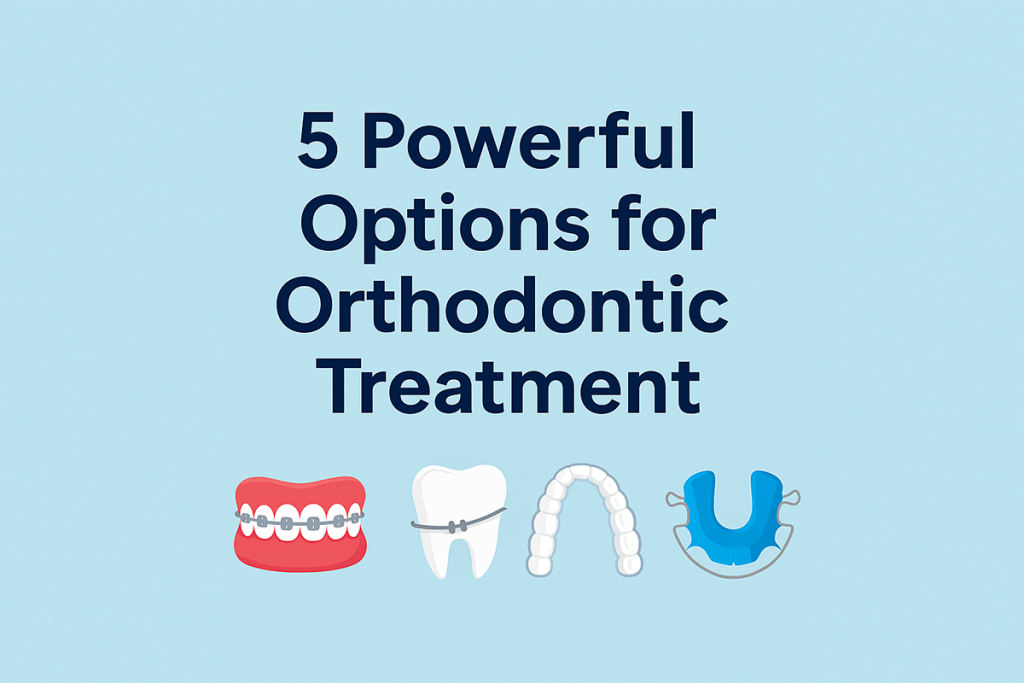
- Metal (traditional) braces: Strong and predictable, suitable for most cases.
- Ceramic braces: Tooth-colored brackets that are less noticeable but function similarly to metal braces.
- Lingual braces: Attached to the inner side of the teeth so they are hidden from view, often chosen for aesthetic reasons.
- Clear aligners: A modern alternative that uses a series of removable, transparent trays to shift teeth gradually without visible brackets.
Each of these types of orthodontic treatment comes with trade-offs in visibility, comfort, cost, and maintenance. Clear aligners often score high for aesthetics and ease of hygiene, while fixed braces can be more effective in complex movements.
Who Can Benefit?
Orthodontic care is not just for children. Many adults choose one of the types of orthodontic treatment to improve their smile and function. While children often respond faster because their jaws are still developing, adults of any age can achieve excellent results. The right option depends on severity, lifestyle, budget, and personal preference.
How Long Will Treatment Take?
Treatment time varies by the chosen types of orthodontic treatment, complexity of the case, and patient age. On average, full treatment lasts about one to two years, followed by wearing a retainer to help tissues stabilize around the newly aligned teeth. Your orthodontist will create a treatment plan and timeline tailored to your needs.
Caring for Teeth During Treatment
Proper home care is essential no matter which types of orthodontic treatment you select. Brackets and aligners require regular cleaning and attention to prevent plaque buildup and staining. Brush after meals, use interdental tools or floss threaders, and maintain dental cleanings every three to six months. Good hygiene supports faster progress and healthier gums.
Choosing the Best Option
Selecting among the types of orthodontic treatment means weighing appearance, comfort, cost, and clinical needs. A consultation with an orthodontist will determine whether braces (metal, ceramic, lingual) or clear aligners are the best fit. Patient-centered practices emphasize individualized care and clear communication so you understand the pros and cons of each choice.
Many patients find that discussing priorities—visibility, cost, maintenance, and treatment goals—helps narrow the options quickly. Clinics like Lakewood Dental Smile in Dearborn, Michigan provide thorough evaluations and tailor treatment plans so each patient receives the option best suited to their oral health and lifestyle.