
Teach children to brush teeth at an early age to build strong foundations for lifelong oral health. Good brushing habits formed during childhood significantly reduce the risk of cavities, gum disease, and dental anxiety later in life. Children who learn proper oral hygiene early are more likely to maintain these routines consistently as they grow older.
Oral care should begin well before all teeth appear. Parents and caregivers play a critical role in guiding children, demonstrating techniques, and creating a positive environment around brushing. Understanding how to teach children to brush teeth in age-appropriate ways makes the process easier and more effective.
When to start brushing
Oral hygiene begins even before the first tooth erupts. Cleaning a baby’s gums after feeding helps remove milk residue and bacteria. A clean, damp cloth or a soft infant gum wipe can be gently used to clean the mouth.
Once the first tooth appears, brushing should begin immediately. Using a small, soft-bristled toothbrush designed for infants helps remove plaque gently. Starting early helps children become familiar with oral care and reduces resistance later.
Choosing the right toothbrush and toothpaste
Selecting age-appropriate tools is essential when you teach children to brush teeth. Infants and toddlers should use soft-bristled toothbrushes with small heads. As children grow, toothbrush size should be adjusted to fit comfortably in their mouths.
Fluoride toothpaste strengthens enamel and helps prevent cavities. For children under two years, a smear of toothpaste smaller than a grain of rice is recommended. For children aged two to five, a pea-sized amount is sufficient. Parents should supervise toothpaste use to ensure children do not swallow it.
Brushing tips for young children
Parents should brush their child’s teeth until the child develops the coordination needed to brush effectively. This usually occurs between six and eight years of age. Even when children begin brushing independently, parents should continue to check their teeth to ensure all areas are cleaned.
Encourage brushing twice a day—once in the morning and once before bedtime. Using gentle circular motions along the gumline helps remove plaque without irritating gums. Hard brushing should be avoided, as it may damage enamel and soft tissues.
Making brushing a daily habit
Consistency is key when you teach children to brush teeth successfully. Brushing should become part of the daily routine, just like bathing or bedtime. Brushing together as a family can motivate children and reinforce good habits through example.
Using songs, timers, or simple rewards can make brushing enjoyable rather than a chore. Keeping the experience positive helps children associate oral care with comfort and confidence.
Using electric toothbrushes for children
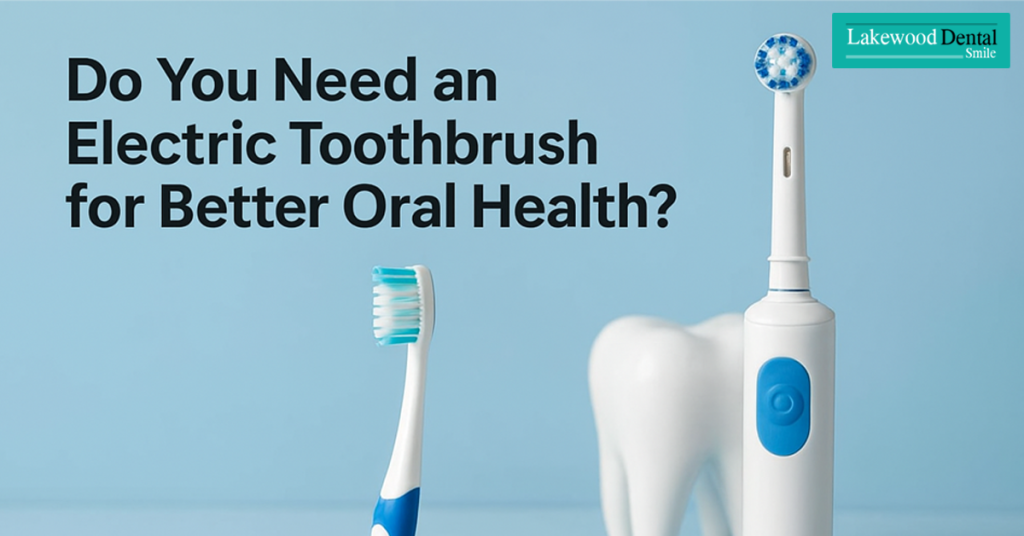
Battery-powered or electric toothbrushes can be helpful for some children, especially those who struggle with manual brushing techniques. These brushes may improve plaque removal when used correctly and under supervision.
Battery-powered or electric toothbrushes can be helpful for some children, especially those who struggle with manual brushing techniques. These brushes may improve plaque removal when used correctly and under supervision.
Maintaining toothbrush hygiene
Toothbrushes should be replaced every three to four months or sooner if the bristles appear worn. A frayed toothbrush is less effective at cleaning teeth. It is also advisable to replace a toothbrush after illness to avoid reintroducing bacteria.
Teaching children to rinse and store their toothbrush properly supports overall oral hygiene and reinforces responsibility.
Teaching proper brushing technique
To brush effectively, the toothbrush should be held at a 45-degree angle toward the gums. Short, gentle strokes should be used on the front, back, and chewing surfaces of the teeth. The tip of the brush can be used vertically to clean behind the front teeth.
Brushing the tongue gently helps remove bacteria that contribute to bad breath. Parents should demonstrate these steps clearly and repeat guidance regularly.
The role of regular dental visits
Routine dental checkups reinforce the importance of oral hygiene and allow professionals to monitor a child’s dental development. Dentists can provide personalized advice and address concerns early.
Clinics such as Lakewood Dental Smile emphasize preventive care and parental education to help children develop healthy brushing habits with confidence.
Helping children develop good brushing habits requires patience, consistency, and positive reinforcement. Starting early, using age-appropriate tools, and setting a daily routine make a lasting difference. When parents actively teach children to brush teeth, they support healthier smiles and reduce future dental problems.