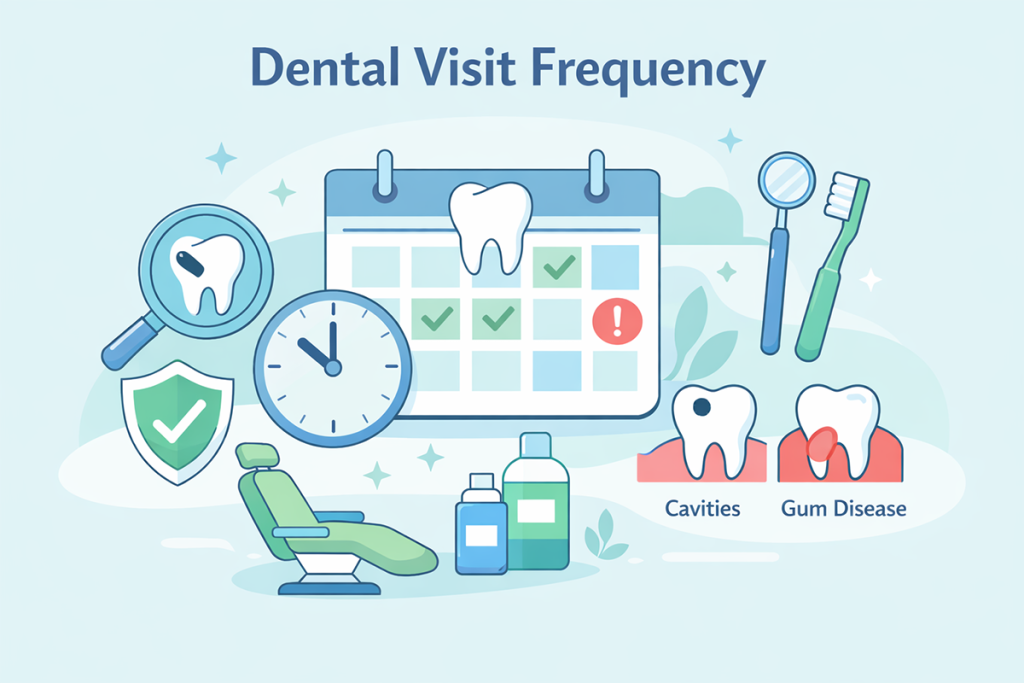
Dental visit frequency is often misunderstood, as many people believe a dentist visit is only necessary when pain, infection, or visible problems appear. In reality, oral health requires consistent monitoring because several dental conditions develop silently. Cavities, gum disease, and enamel erosion can progress without obvious symptoms, making routine checkups essential for early detection and prevention.
When people ignore regular checkups, minor issues can turn into complex dental problems that require extensive treatment. Understanding dental visit frequency helps individuals protect their teeth proactively rather than reacting to discomfort. Preventive dental care focuses on maintaining oral cleanliness, preserving natural teeth, and supporting overall health through consistent professional evaluation.
General guideline for dental checkups
For most individuals, dentists recommend visiting the clinic twice a year for routine examinations and professional cleanings. These visits allow dentists to remove plaque and tartar that cannot be eliminated through brushing and flossing alone. Even people with excellent oral hygiene habits benefit from professional cleaning and assessment.
However, dental visit frequency is not the same for everyone. Factors such as genetics, diet, lifestyle habits, and previous dental history influence how often a person should schedule checkups. A dentist evaluates these factors and recommends a personalized schedule that suits individual oral health needs.
Why regular dental visits are important
Routine dental visits play a critical role in preventing cavities and gum disease. During a checkup, dentists examine teeth, gums, and supporting structures to identify early signs of decay, inflammation, or wear. Detecting these issues early allows treatment to begin before they become painful or costly.
Another benefit of maintaining the right dental visit frequency is long-term savings. Preventive care reduces the likelihood of advanced procedures such as root canal treatments or extractions. Regular visits also reinforce good oral hygiene habits, encouraging consistent brushing, flossing, and healthy dietary choices.
Dental visits for children
Children benefit significantly from early and consistent dental care. Routine checkups help monitor tooth development, identify alignment issues, and prevent early childhood cavities. Introducing children to dental visits at a young age also reduces anxiety and builds familiarity with dental environments.
Parents often wonder about dental visit frequency for children. In most cases, children follow the same twice-yearly schedule, though some may need more frequent visits depending on cavity risk, orthodontic concerns, or oral habits. Early dental care sets the foundation for lifelong oral health.
When more frequent visits are needed
Certain situations require additional dental visits beyond routine checkups. Tooth sensitivity, pain while chewing, gum bleeding, swelling, or facial discomfort should be evaluated promptly. These symptoms may indicate infections or underlying conditions that need immediate attention.
Medical conditions such as diabetes, heart disease, or weakened immunity can also affect oral health. In such cases, dental visit frequency may need adjustment to prevent complications. Dentists consider overall health when determining how often patients should be seen.
The role of professional dental cleaning
Professional dental cleaning removes hardened plaque that daily brushing cannot address. Plaque buildup encourages harmful bacteria that can lead to gum disease and tooth decay if left untreated. Cleanings also help maintain fresh breath and improve gum health.
Maintaining the correct dental visit frequency ensures these cleanings occur regularly, supporting healthy gums and preserving natural teeth. Consistent professional care complements daily oral hygiene and contributes to long-term dental stability.
Oral health is an ongoing process that benefits from preventive care and informed decision-making. Visit schedules should always be tailored to individual needs rather than assumptions. Staying consistent with recommended checkups helps prevent complications and supports overall well-being. Clinics such as Lakewood Dental Smile emphasize patient education and preventive approaches to maintaining healthy smiles over time.