Cosmetic dentistry treatments focus on improving the visual appeal of teeth, gums, and overall facial harmony. Unlike general dental procedures that address pain or disease, cosmetic approaches concentrate on appearance, symmetry, and proportion. These treatments combine clinical expertise with aesthetic judgment to refine smiles in a natural and balanced way. Many people seek cosmetic dentistry not because of discomfort, but because they want their smile to better reflect how they feel about themselves.
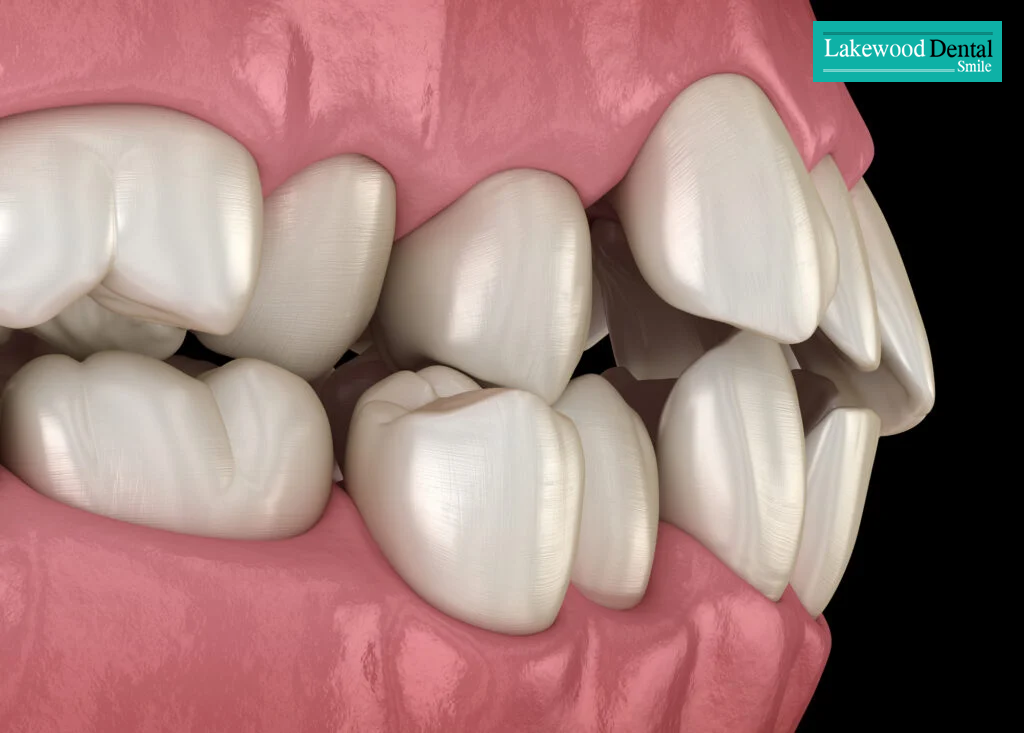
Over time, teeth can become stained, chipped, uneven, or worn due to aging, lifestyle habits, or genetics. Gums may appear uneven, and missing teeth can affect facial structure. Cosmetic dentistry evaluates these concerns together rather than in isolation. Understanding cosmetic dentistry treatments helps individuals make informed decisions about what procedures align with their goals, expectations, and oral condition.
Why people choose cosmetic dentistry
The motivation behind cosmetic dental care varies widely. Some individuals want to correct minor imperfections, while others seek comprehensive smile enhancement. Cosmetic dentistry treatments are often chosen to address discoloration, gaps, irregular tooth shapes, or old restorations that no longer match natural enamel. In many cases, improving appearance also leads to better confidence in social and professional settings.
Beyond aesthetics, certain cosmetic procedures support oral function. Aligning or restoring teeth can improve bite balance, reduce uneven wear, and make daily cleaning easier. This dual benefit makes cosmetic dentistry an important component of long-term dental planning rather than a purely visual upgrade.
Teeth whitening
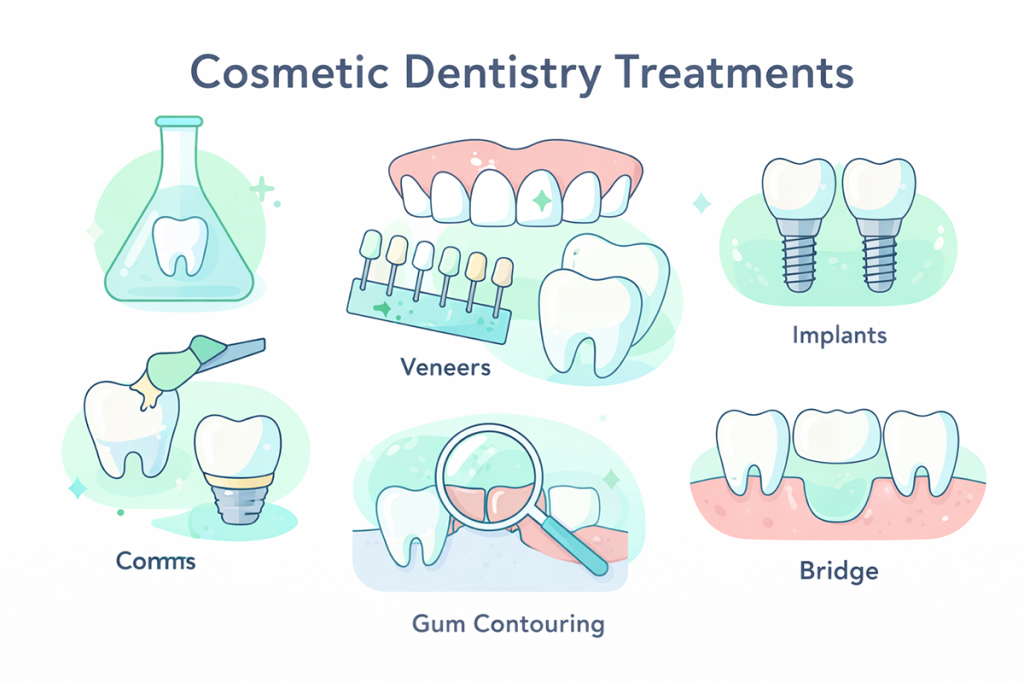
Among cosmetic dentistry treatments, whitening is considered non-invasive and accessible. Professional whitening typically delivers more consistent results than over-the-counter products, though maintenance depends on personal habits and oral hygiene.
Composite bonding
Composite bonding involves applying tooth-colored resin to repair small chips, cracks, or gaps. The material is shaped directly on the tooth and hardened with a curing light. This approach preserves most of the natural tooth structure and usually requires little to no drilling.
As part of cosmetic dentistry treatments, bonding is valued for its immediacy and affordability. It is often recommended for minor cosmetic corrections, though it may require maintenance over time.
Porcelain and composite veneers
Veneers are thin shells designed to cover the front surface of teeth. They are custom-crafted to match natural tooth color and shape while correcting discoloration, uneven spacing, or surface damage. Porcelain veneers are especially known for their durability and resistance to staining.
Veneers remain a core element of cosmetic dentistry treatments because they offer dramatic yet controlled aesthetic improvement while maintaining a natural appearance.
Dental crowns
Dental crowns are used when teeth are significantly damaged or weakened. A crown covers the entire visible portion of the tooth, restoring its shape, strength, and appearance. Modern crowns are made from ceramic or porcelain materials that closely resemble natural enamel.
Although crowns serve a restorative role, they are included in cosmetic dentistry treatments due to their ability to blend seamlessly with surrounding teeth and enhance smile uniformity.
Replacing missing teeth
Missing teeth affect both appearance and function. Cosmetic dentistry treatments address this issue through bridgework or dental implants, depending on the individual case. Bridgework uses adjacent teeth to support an artificial tooth, restoring continuity in the smile.
Dental implants replace the root of a missing tooth with a titanium fixture that integrates with the jawbone. A crown is then placed to complete the restoration. Implants are valued for their stability and natural look, helping preserve facial structure over time.
Inlays, onlays, and tooth-colored fillings
When damage is too extensive for a simple filling but does not require a full crown, inlays and onlays are used. These restorations are crafted in a dental laboratory to closely match tooth color and contour.
Tooth-colored fillings replace older metal restorations and blend with natural enamel. Both options are considered cosmetic dentistry treatments because they improve appearance while restoring function and strength.
Gum contouring and tooth reshaping
Uneven gum lines or irregular tooth edges can affect smile balance. Gum contouring reshapes excess or uneven gum tissue to create a more symmetrical appearance. Tooth contouring gently adjusts enamel to refine shape and length.
These conservative cosmetic dentistry treatments are often used for subtle enhancements and are sometimes combined with bonding or veneers for refined results.
Cosmetic dental care is highly personal and should always be approached with realistic expectations and professional guidance. A careful evaluation ensures that aesthetic improvements remain natural and supportive of long-term oral health. Clinics such as Lakewood Dental Smile emphasize informed choices and balanced outcomes when discussing cosmetic dental possibilities with patients.