Many people only think about dental visits when pain starts. A toothache, bleeding gums, or swelling suddenly reminds them of the dentist. But this approach often leads to bigger problems, more discomfort, and higher treatment costs. Understanding how often visit dentist is not just about routine checkups—it is about protecting your oral health before issues become serious.
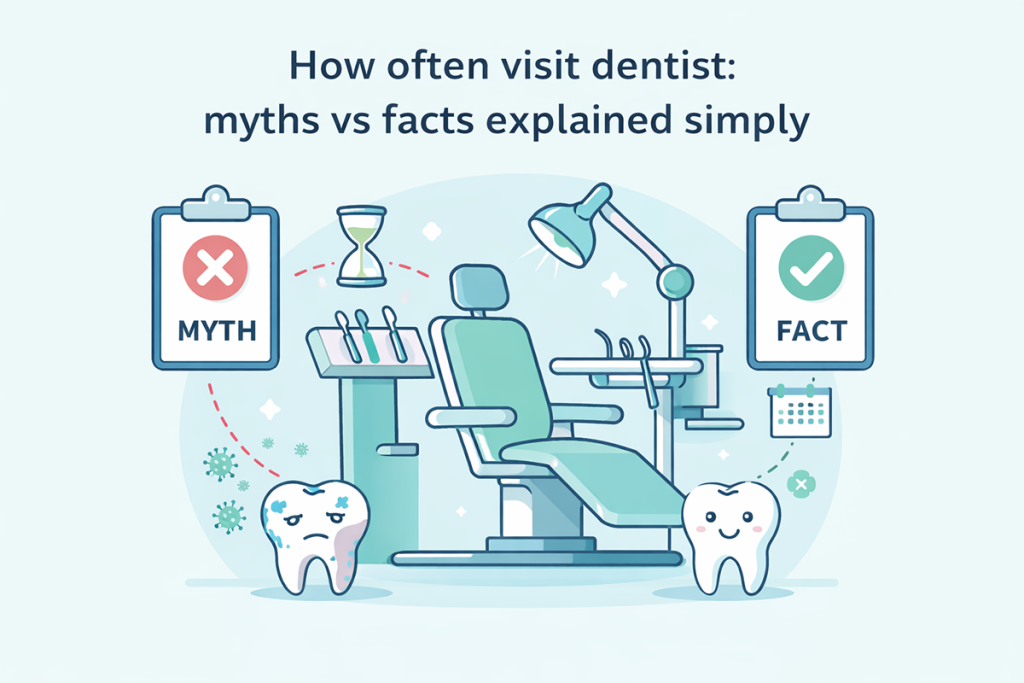
There is a lot of confusion around dental visits. Some people believe visiting once a year is enough, while others think brushing well means they can skip visits completely. The truth lies somewhere in between and depends on individual oral health needs.
Most dentists suggest a checkup every six months, but this is not a strict rule for everyone. This schedule works well for people with generally healthy teeth and gums because it helps detect cavities, gum disease, and enamel wear at an early stage. Regular monitoring makes treatment simpler and less stressful.
A common myth is that no pain means no problem. In reality, many dental issues develop silently. Cavities can grow without pain, gum disease can progress unnoticed, and small cracks in teeth may not cause discomfort initially. This is why knowing how often visit dentist matters even when everything feels normal.
Another misunderstanding is that daily brushing and flossing replace professional care. While good oral hygiene is essential, it cannot remove hardened plaque known as tartar. Tartar buildup irritates gums and increases the risk of gum disease. Professional cleaning during dental visits helps maintain healthy gums and prevents long-term damage.
Many people underestimate how quickly dental problems can progress without regular monitoring. A small cavity that could have been treated easily during a routine visit may grow deeper over time and reach the inner layers of the tooth. When this happens, treatment becomes more complex, often requiring procedures like root canal therapy instead of simple fillings. This is one of the clearest reasons why understanding how often visit dentist is so important for long-term oral health and comfort.
Gum health is another area where problems develop slowly and silently. Early-stage gum disease may only cause mild redness or occasional bleeding, which many people ignore. Without professional evaluation, this condition can advance to more serious stages, leading to gum recession, loose teeth, and even tooth loss. Regular dental visits allow early identification of these warning signs, making treatment easier and helping preserve natural teeth for many more years.
Lifestyle habits also play a major role in determining how often visit dentist should be reassessed. Frequent consumption of sugary foods or drinks, poor brushing techniques, stress-related teeth grinding, and certain medications can all increase the risk of dental issues. A dentist can identify these risk factors during routine visits and provide guidance tailored to individual habits, which helps prevent damage before it becomes noticeable or painful.
Some people need to visit the dentist more frequently than others. Smokers, people with diabetes, pregnant women, and those with a history of gum disease often benefit from checkups every three to four months. These visits help control conditions that can worsen quickly if left unchecked. This shows that how often visit dentist should be decided based on personal risk factors.
Children also need regular dental visits from an early age. Visiting the dentist when the first tooth appears or by the first birthday helps monitor tooth development and prevents early childhood cavities. Early visits also make children comfortable with dental care, reducing fear as they grow older.
Older adults sometimes believe dental problems are unavoidable with age. This is not true. With proper care and regular checkups, natural teeth can last a lifetime. For seniors, understanding how often visit dentist is important to manage worn teeth, dry mouth, and existing dental work such as crowns or dentures.
Skipping dental visits can affect more than just your teeth. Gum disease has been linked to other health conditions, including heart problems and complications in diabetes. Infections in the mouth can impact overall health if ignored. Regular dental checkups help identify warning signs early and prevent serious outcomes.
The right visit frequency is best decided by a dentist after evaluating your oral health, daily habits, and medical history. This personalized approach ensures care is preventive rather than reactive and helps maintain a healthy smile over the long term.
Near the end of your oral care journey, choosing a clinic that focuses on prevention and patient education makes a difference. At Lakewood Dental Smile, routine dental visits are approached as an opportunity to guide patients toward better habits and long-term oral health rather than addressing problems only after they arise.