Dental care has traditionally been viewed as a routine part of maintaining overall health. However, among younger adults, a noticeable shift is taking place. An increasing number of Gen Z individuals are delaying or completely avoiding dental appointments. At the center of this behavior is gen z dental anxiety, a complex mix of emotional, psychological, and lifestyle-driven factors that influence how this generation views oral healthcare. Understanding these reasons is essential before meaningful solutions can be introduced.
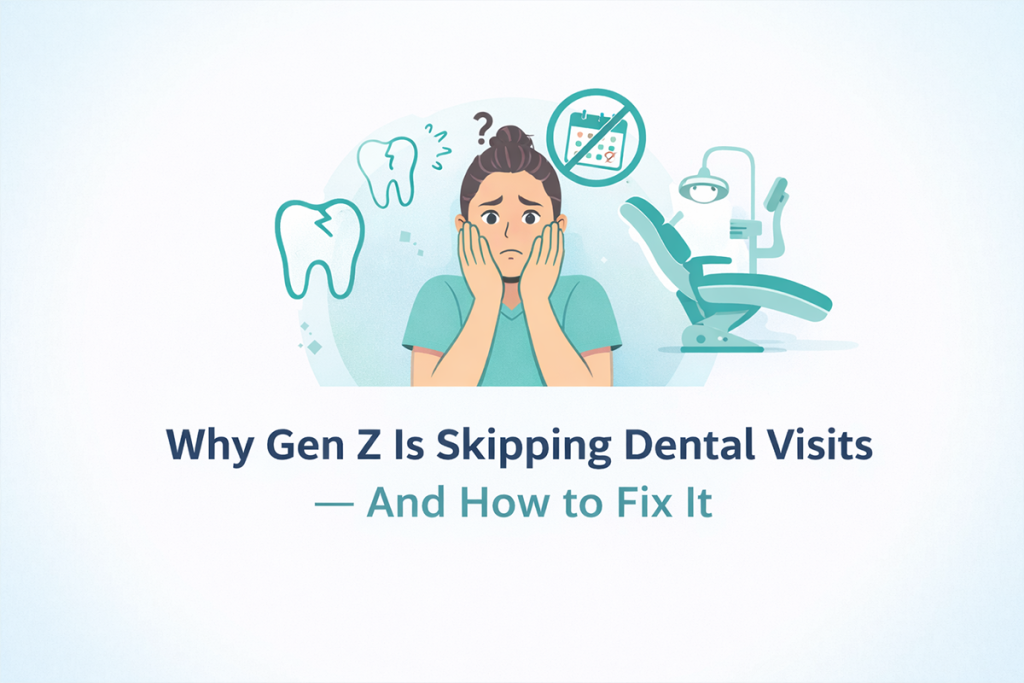
Gen Z has grown up in a fast-paced, digital-first world where information is abundant but attention is fragmented. Health decisions are often influenced by online narratives, peer opinions, and personal comfort rather than long-standing medical advice. As a result, dental visits are frequently postponed until discomfort becomes unavoidable. By examining the underlying causes and addressing them thoughtfully, it becomes possible to reshape attitudes toward oral health in a way that feels relevant and manageable for this generation.
1. Fear Rooted in Early Experiences
One of the strongest contributors to gen z dental anxiety is fear formed during childhood. Negative or painful dental experiences at a young age can leave lasting emotional impressions. Even minor discomfort, when paired with unfamiliar sounds or clinical environments, may be remembered as traumatic. Over time, these memories shape expectations, making future visits feel threatening rather than preventive.
To address this, it is important to reframe dental care as a supportive and non-judgmental experience. Calm communication, gradual exposure, and patient education can help reduce lingering fear. When individuals understand what to expect and feel respected during appointments, anxiety gradually loses its grip.
2. Mental Health Awareness and Overload
Gen Z is more open about mental health than any previous generation. While this awareness is positive, it also means that stress, anxiety, and emotional fatigue are openly acknowledged and often amplified. For some, gen z dental anxiety becomes part of a broader pattern of avoiding situations that increase stress levels.
Dental visits can feel overwhelming when combined with academic pressure, career uncertainty, and social expectations. Simplifying appointment processes, reducing wait times, and promoting calming environments can help align dental care with mental wellness priorities.
3. Perception That Dental Care Is Optional
Another factor influencing gen z dental anxiety is the belief that dental visits are optional unless pain is present. Preventive care is often undervalued compared to immediate concerns. This mindset is reinforced by the absence of visible symptoms, leading many to delay routine checkups.
Education plays a key role in shifting this perception. Explaining the long-term consequences of neglecting oral health, such as gum disease or tooth loss, helps connect preventive visits with overall well-being. Clear, relatable explanations are far more effective than fear-based messaging.
4. Financial Uncertainty and Cost Concerns
Financial instability is a reality for many Gen Z individuals, particularly students and early-career professionals. Even when dental insurance is available, uncertainty around costs contributes to gen z dental anxiety. The fear of unexpected expenses can outweigh the perceived benefits of routine care.
Transparent discussions about treatment options, costs, and preventive strategies can reduce this concern. When people feel informed and in control of financial decisions, they are more likely to prioritize dental visits.
5. Digital Influence and Misinformation
Social media plays a powerful role in shaping health behaviors. While it can promote awareness, it can also spread misinformation. Graphic videos, exaggerated stories, or negative testimonials can intensify gen z dental anxiety and create unrealistic fears.
Providing accurate, easy-to-understand information helps counteract misleading content. Educational resources that focus on comfort, modern techniques, and patient experiences can replace fear with clarity.
6. Desire for Comfort and Personal Control
Gen Z values autonomy and comfort in healthcare decisions. A lack of control during dental procedures can heighten gen z dental anxiety, especially when individuals feel unheard or rushed.
Encouraging open dialogue, offering choices where possible, and explaining procedures step by step can restore a sense of control. Feeling involved rather than passive transforms the dental experience into a collaborative process.
7. Preference for Immediate Solutions
This generation is accustomed to quick solutions and on-demand services. Preventive dental care, which requires consistency rather than instant results, may feel less appealing. Gen z dental anxiety can increase when benefits are not immediately visible.
Linking dental health to visible outcomes such as confidence, appearance, and long-term comfort helps bridge this gap. When benefits feel relevant and tangible, motivation improves.
How to Fix the Problem Moving Forward
Addressing gen z dental anxiety requires empathy, education, and adaptation. Creating supportive environments, emphasizing preventive value, and aligning dental care with mental and lifestyle priorities can reshape perceptions. Small changes in communication and approach can make dental visits feel less intimidating and more empowering.
By understanding the mindset behind avoidance, it becomes possible to encourage healthier habits without pressure. When dental care is presented as accessible, respectful, and aligned with personal well-being, Gen Z is far more likely to engage consistently.