Dental care is undergoing a meaningful transformation as patients and professionals become more aware of environmental impact and material safety. Eco friendly dental treatments are gaining attention not only for their sustainability but also for their potential benefits to patient health. This shift reflects a broader movement in healthcare toward practices that are responsible, minimally invasive, and aligned with long-term wellness. As awareness grows, dental clinics are increasingly exploring materials and methods that support both oral health and environmental responsibility.
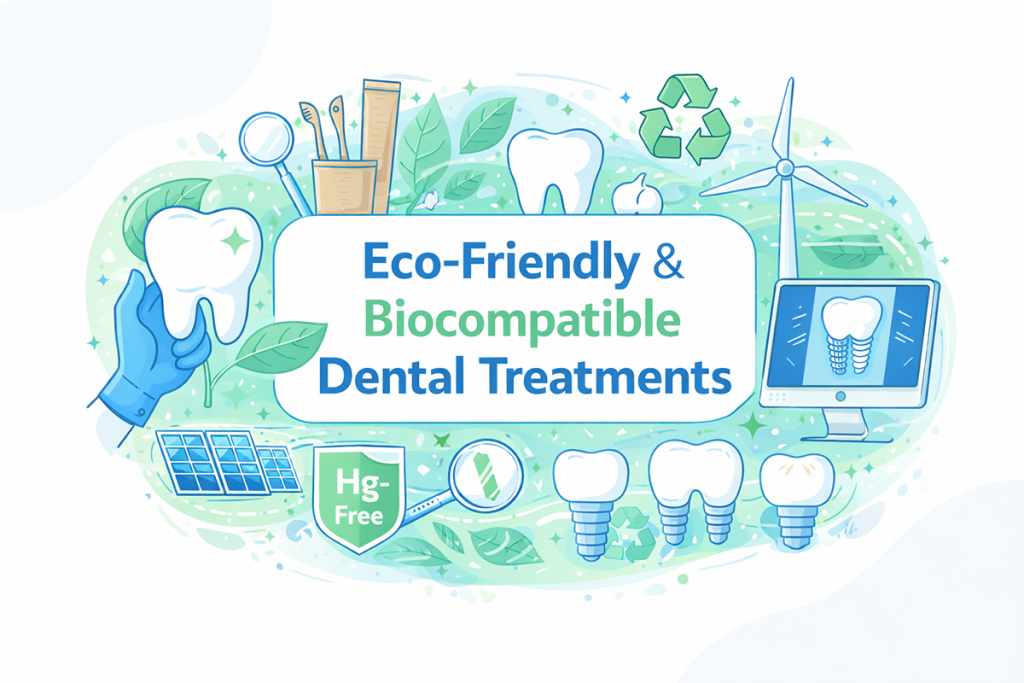
One of the main drivers behind eco friendly dental treatments is the demand for safer, biocompatible materials. Traditional dental materials often contain substances that may raise concerns for sensitive individuals. Biocompatible alternatives are designed to work harmoniously with the body, reducing the risk of allergic reactions or irritation. These materials are tested for compatibility with oral tissues and are chosen to support natural healing. As a result, patients experience treatments that feel more comfortable and align better with their overall health goals.
Sustainability is another key reason eco friendly dental treatments are becoming more common. Dental practices generate waste through disposable items, packaging, and energy use. Modern eco-conscious approaches aim to reduce this footprint by using recyclable materials, energy-efficient equipment, and responsible waste management systems. While sustainability alone does not define quality care, integrating environmentally mindful choices helps align dentistry with global efforts to reduce environmental impact without compromising clinical standards.
Mercury-free dentistry plays an important role in eco friendly dental treatments. Many practices are moving away from traditional amalgam fillings in favor of composite or ceramic materials. These alternatives not only eliminate mercury exposure but also provide a more natural appearance. Beyond aesthetics, mercury-free options reduce environmental contamination and align with international efforts to limit harmful substances. This transition reflects a growing understanding of how dental materials affect both patients and ecosystems.
Digital dentistry also supports the growth of eco friendly dental treatments. Digital impressions, imaging, and treatment planning reduce the need for physical materials such as impression trays and chemical-based processing. By streamlining workflows, digital tools help minimize waste while improving precision. Patients benefit from more accurate treatments, and clinics reduce their reliance on disposable resources. Technology therefore plays a supportive role in making dental care both efficient and environmentally conscious.
Another factor influencing eco friendly dental treatments is patient preference. Many individuals today actively seek healthcare providers who share their values around sustainability and safety. This awareness encourages clinics to adopt practices that reflect transparency and responsibility. Patients often appreciate knowing that the materials used in their care are selected with both health and environmental impact in mind. This trust strengthens the patient-provider relationship and supports informed decision-making.
Biocompatible dental treatments also align with a preventive approach to oral care. Materials that work naturally with the body can support better long-term outcomes by reducing inflammation and supporting tissue health. When combined with minimally invasive techniques, these treatments help preserve natural tooth structure. Prevention-focused care reduces the need for repeated interventions, which in turn lowers resource use over time. This creates a cycle where patient wellness and sustainability reinforce each other.
From a broader healthcare perspective, eco friendly dental treatments represent a thoughtful balance between innovation and responsibility. Dentists continue to evaluate new materials and methods based on scientific evidence, patient safety, and environmental impact. This careful evaluation ensures that sustainability does not come at the cost of effectiveness. Instead, it enhances the quality of care by prioritizing long-term health outcomes.
Education also plays a vital role in the rise of eco friendly dental treatments. As patients learn more about how dental materials and practices affect their health and the environment, they become more engaged in treatment choices. Open conversations about material options, benefits, and limitations empower patients to participate actively in their care. This shared understanding supports better satisfaction and more meaningful healthcare experiences.
Modern dental practices increasingly recognize that oral health does not exist in isolation from the world around us. Eco friendly dental treatments reflect this understanding by addressing both individual well-being and environmental responsibility. Clinics such as Lakewood Dental Smile demonstrate how thoughtful adoption of biocompatible materials and sustainable practices can support comprehensive care. As these approaches continue to evolve, patients can expect dental treatments that are not only effective but also aligned with a healthier future.