Prevent dental cavities by following consistent oral care habits and making smart lifestyle choices. Skipping brushing occasionally may seem harmless, but repeated neglect allows bacteria to thrive, increasing the risk of tooth decay and gum disease. Cavities develop when acids produced by bacteria weaken tooth enamel over time, often without immediate pain or visible signs. Because early decay can go unnoticed, preventive care is essential for maintaining strong and healthy teeth.
Prevent dental cavities by following consistent oral care habits and making smart lifestyle choices. Skipping brushing occasionally may seem harmless, but repeated neglect allows bacteria to thrive, increasing the risk of tooth decay and gum disease. Cavities develop when acids produced by bacteria weaken tooth enamel over time, often without immediate pain or visible signs. Because early decay can go unnoticed, preventive care is essential for maintaining strong and healthy teeth.
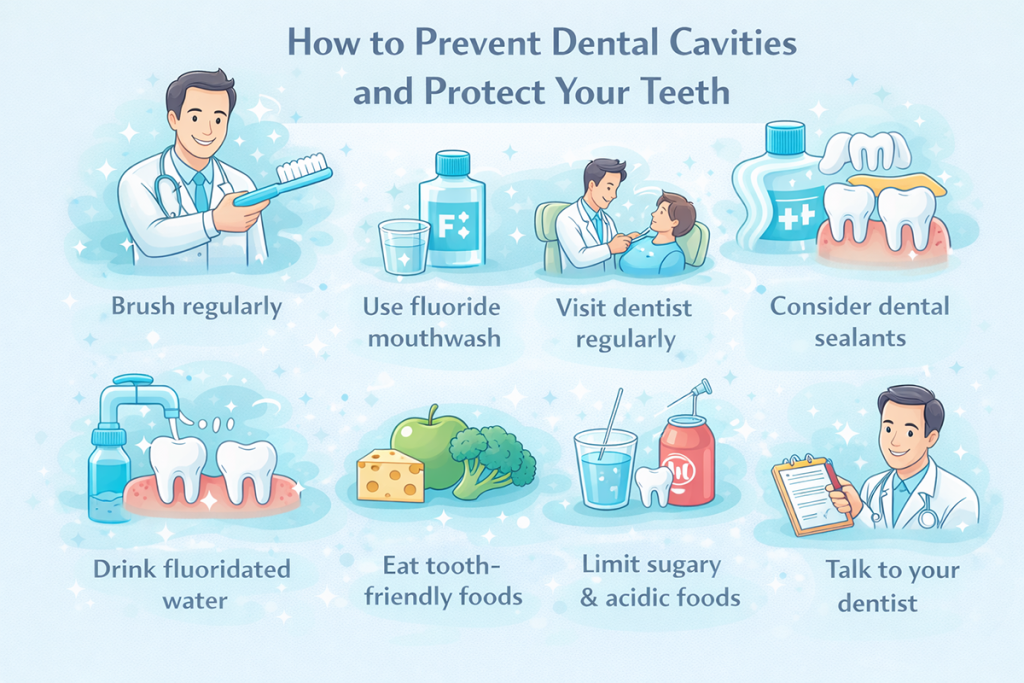
Brush your teeth regularly
One of the most effective ways to prevent dental cavities is brushing at least twice a day with fluoride toothpaste. Brushing removes plaque, bacteria, and food debris that contribute to decay. Each brushing session should last around two minutes and include gentle circular or vertical motions along the gumline and chewing surfaces.
Brushing after meals offers additional protection, especially after consuming sugary or acidic foods. When brushing is not possible, rinsing the mouth with water can help neutralize acids and wash away food particles until proper cleaning is done.
Use fluoride mouthwash
Fluoride strengthens tooth enamel and makes it more resistant to acid attacks. Using a fluoride mouthwash once or twice daily provides extra protection against decay, especially in areas that brushing may miss.
Including mouthwash in your routine supports efforts to prevent dental cavities and complements regular brushing and flossing.
Schedule regular dental visits
Professional dental cleanings and routine examinations are essential for early detection of cavities. Dentists can identify weak spots in enamel, remove hardened plaque, and provide guidance tailored to individual needs.
Most people benefit from dental visits every six months, though some may require more frequent checkups. Regular appointments play a key role in long-term cavity prevention.
Consider dental sealants
Dental sealants are thin protective coatings applied to the chewing surfaces of back teeth. These areas often have deep grooves where food and bacteria collect easily.
Sealants help prevent dental cavities by sealing these vulnerable spots and can last several years with proper care. They are commonly recommended for children but may also benefit adults.
Drink fluoridated water
Fluoridated tap water helps remineralize teeth and strengthens enamel naturally. Drinking water throughout the day also increases saliva production, which helps neutralize acids and wash away bacteria.
If you primarily drink bottled water, including some fluoridated water in your routine may help support cavity prevention.
Eat tooth-friendly foods
Certain foods help protect teeth and reduce cavity risk. Dairy products like cheese support enamel strength, while fresh fruits and vegetables stimulate saliva flow. Unsweetened tea and sugar-free gum can also help limit bacterial growth.
Limiting sugary snacks and acidic drinks is just as important when aiming to prevent dental cavities.
Maintain open communication with your dentist
Every individual has unique dental needs. A dentist can recommend personalized strategies for cavity prevention based on oral health history, diet, and lifestyle habits.
Clinics such as Lakewood Dental Smile emphasize preventive care and patient education to help maintain healthy teeth for life.
Cavity prevention depends on daily habits, informed choices, and professional guidance. Simple actions like brushing correctly, using fluoride, eating wisely, and visiting the dentist regularly can make a significant difference. Learning how to prevent dental cavities empowers individuals to protect their smiles and avoid unnecessary dental problems.