Brushing teeth mistakes are more common than most people realize. Many individuals brush their teeth every day yet still experience cavities, gum problems, or tooth sensitivity. This often happens not because brushing is skipped, but because it is done incorrectly. Small errors repeated daily can slowly damage teeth and gums over time.

Understanding these mistakes helps people protect their enamel, improve gum health, and get better results from a simple routine they already follow.
Brushing too hard
One of the most frequent brushing teeth mistakes is applying too much pressure. Many people believe brushing harder cleans better, but this is not true. Excessive force wears down enamel and irritates gums, leading to sensitivity and gum recession.
A gentle brushing motion is enough to remove plaque. Using a soft-bristled toothbrush and light pressure helps clean effectively without causing damage.
Using the wrong toothbrush
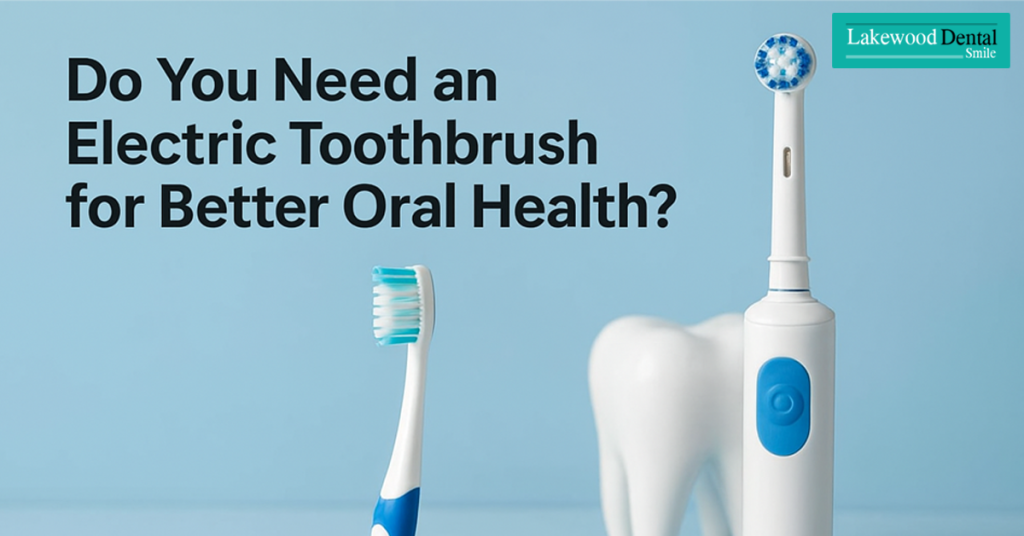
Choosing the wrong toothbrush can affect oral health. Hard or medium bristles may feel effective but often cause enamel erosion and gum irritation. A soft-bristled toothbrush is recommended for most people because it cleans gently while protecting the gums.
Replacing the toothbrush regularly is also important. Worn-out bristles lose effectiveness and may harbor bacteria.
Not brushing long enough
Another common brushing teeth mistake is brushing for too short a time. Many people brush for less than one minute, which is not enough to clean all tooth surfaces properly.
Dentists recommend brushing for at least two minutes. Taking time ensures plaque is removed from the front, back, and chewing surfaces of teeth.
Missing certain areas
It is easy to focus only on visible front teeth while neglecting the back teeth and gumline. These hidden areas are more likely to collect plaque and bacteria.
Brushing along the gumline and reaching the back teeth helps prevent cavities and gum disease. Paying attention to all areas makes brushing more effective.
Brushing immediately after eating
Brushing right after eating, especially after acidic foods or drinks, can harm enamel. Acid softens enamel temporarily, and brushing during this time increases erosion.
Waiting at least 30 minutes before brushing allows enamel to harden again. Rinsing with water after meals is a safer alternative.
Skipping brushing at night
Nighttime brushing is often overlooked, yet it is one of the most important habits. During sleep, saliva production decreases, allowing bacteria to multiply more easily.
Skipping brushing before bed leaves food particles and plaque on teeth overnight, increasing the risk of decay and gum inflammation.
Ignoring the tongue
Bacteria also collect on the tongue, contributing to bad breath and plaque buildup. Many people forget to clean their tongue while brushing.
Gently brushing or scraping the tongue helps reduce bacteria and improves overall oral hygiene.
Using too much toothpaste
More toothpaste does not mean better cleaning. Excess toothpaste creates excessive foam, causing people to rush brushing and miss areas.
A pea-sized amount of toothpaste is sufficient for adults. This allows better control and more effective brushing.
Not replacing toothbrushes regularly
Old toothbrushes lose their shape and cleaning ability. Bristles that are frayed or bent cannot remove plaque effectively.
Replacing toothbrushes every three to four months, or sooner if bristles wear out, helps maintain proper oral hygiene.
Why correcting brushing habits matters
Correcting brushing teeth mistakes protects enamel, reduces sensitivity, and prevents gum problems. Brushing is a daily habit, and even small improvements can make a big difference over time.
Dental professionals often emphasize proper brushing technique during routine checkups. Clinics such as Lakewood Dental Smile encourage patients to focus on technique rather than force for healthier, longer-lasting results.
Brushing teeth mistakes may seem minor, but their long-term effects can be serious. Brushing gently, using the right tools, and giving enough time to clean thoroughly helps protect teeth and gums. By correcting these common errors, people can improve oral health without adding extra steps to their daily routine.