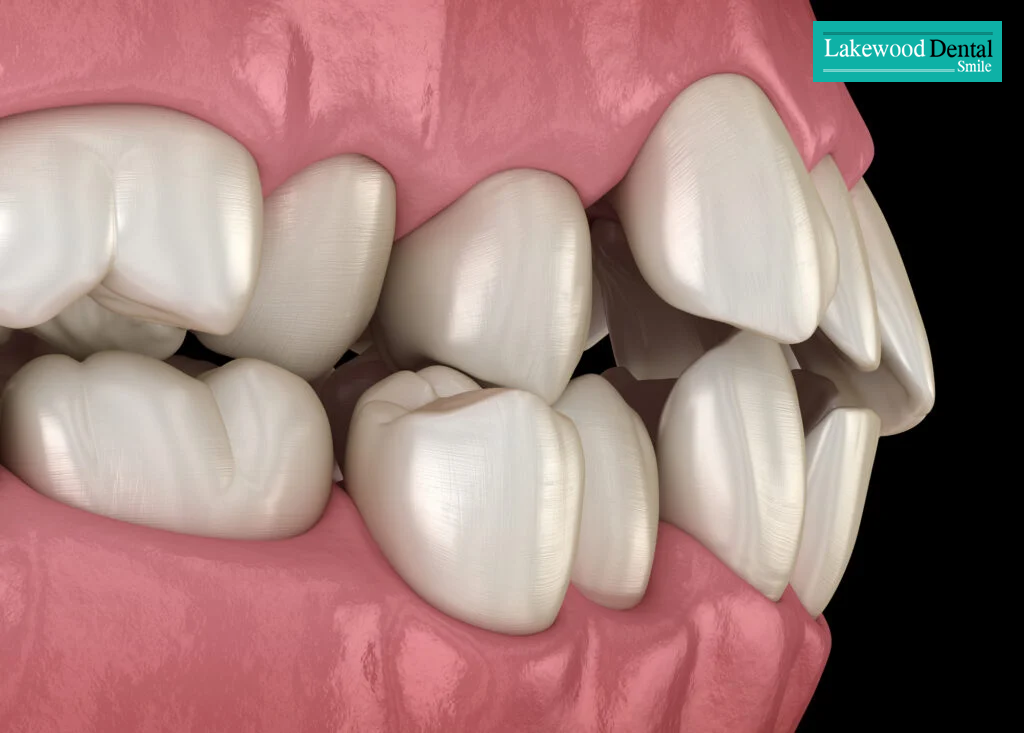
Cosmetic dental care is evolving rapidly, driven by technology that places patient expectations and precision at the center of treatment planning. Among the most influential cosmetic dentistry trends today is the use of digital tools that allow patients to see potential outcomes before treatment even begins. This shift is changing how people approach smile enhancements, making cosmetic procedures more transparent, predictable, and personalized. As patients seek natural-looking results and greater confidence in their choices, technology-led solutions are becoming an essential part of modern cosmetic care.
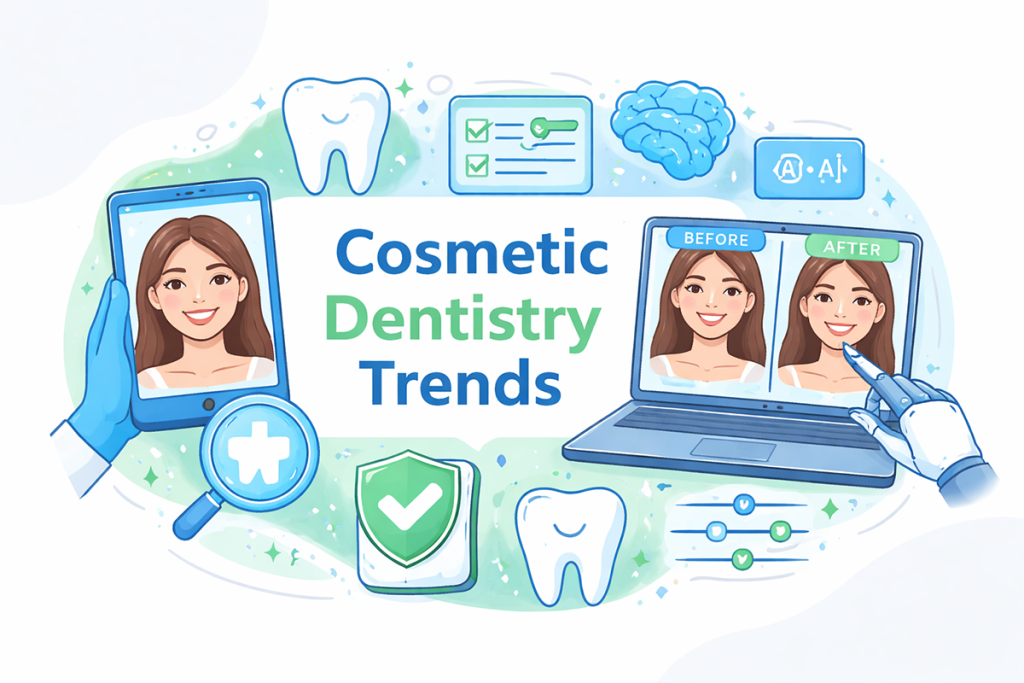
One of the most impactful cosmetic dentistry trends is the integration of artificial intelligence into smile design. AI-powered smile simulation uses advanced software to analyze facial structure, tooth alignment, lip movement, and overall symmetry. By processing this data, the system can generate realistic previews of how a patient’s smile may look after treatment. This visual insight helps bridge the gap between expectations and reality, allowing patients to understand proposed changes clearly before committing to any procedure.
The rise of AI smile simulation reflects a broader movement toward data-driven decision-making in cosmetic dentistry trends. Traditionally, smile design relied heavily on dentist expertise and patient imagination. While professional judgment remains critical, AI tools add an extra layer of precision. Patients can compare different options, such as tooth shape, length, or alignment, and see how subtle adjustments affect their overall appearance. This level of involvement encourages informed consent and strengthens trust between patients and clinicians.
Improved communication is another reason cosmetic dentistry trends are shifting toward AI-assisted planning. Misunderstandings about expected outcomes are one of the most common concerns in cosmetic treatments. When patients can visualize results in advance, discussions become clearer and more productive. Dentists can explain why certain changes are recommended and how they align with facial proportions. This collaborative approach reduces uncertainty and leads to higher satisfaction with final results.
Accuracy and consistency are also driving cosmetic dentistry trends toward digital workflows. AI simulations are often integrated with digital impressions and treatment planning software. This allows designs to be translated more accurately into veneers, aligners, or other cosmetic restorations. When planning and execution are closely aligned, the risk of unexpected variations is reduced. Patients benefit from outcomes that closely match what was initially discussed and approved.
Another important aspect of cosmetic dentistry trends is the focus on natural aesthetics rather than dramatic alteration. AI tools are designed to enhance harmony rather than create artificial-looking smiles. By analyzing facial balance and individual characteristics, smile simulations aim to complement a person’s natural features. This supports a more subtle and personalized approach to cosmetic enhancement, which aligns with current patient preferences for authenticity.
Efficiency is also improving as cosmetic dentistry trends embrace automation and smart technology. AI-assisted planning can reduce the number of trial-and-error adjustments during treatment. This may shorten treatment timelines and minimize the need for revisions. For patients, this means fewer appointments, clearer expectations, and a smoother overall experience. For clinicians, it allows more time to focus on precision and patient care rather than manual adjustments.
Beyond AI smile simulation, cosmetic dentistry trends also include advances in materials and techniques that support better results. Modern ceramics, improved bonding systems, and minimally invasive procedures work hand in hand with digital planning. When combined, these innovations help preserve natural tooth structure while achieving aesthetically pleasing outcomes. Technology does not replace clinical skill but enhances it by providing clearer guidance and measurable reference points.
Looking ahead, cosmetic dentistry trends are likely to continue evolving toward even greater personalization. As AI systems learn from larger datasets, simulations may become even more accurate and adaptive. Patients will increasingly expect to preview outcomes, compare options, and participate actively in treatment planning. This shift empowers individuals to make confident decisions about their smiles and reinforces the value of transparency in cosmetic care.
In modern dental practice, adopting cosmetic dentistry trends is not just about staying current with technology but about improving the patient experience. Tools like AI smile simulation support clearer communication, realistic expectations, and predictable outcomes. Clinics that thoughtfully integrate these advancements, such as Lakewood Dental Smile, reflect a balanced approach where innovation supports informed care rather than replacing professional expertise. As these trends continue to shape the field, patients can look forward to cosmetic treatments that feel more personalized, predictable, and satisfying.