Daily habits that damage teeth often seem harmless because they are part of routine life. Many people brush regularly and still experience sensitivity, cavities, or gum problems without understanding the real cause. The truth is that certain everyday behaviors slowly weaken enamel and irritate gums, leading to dental issues over time.
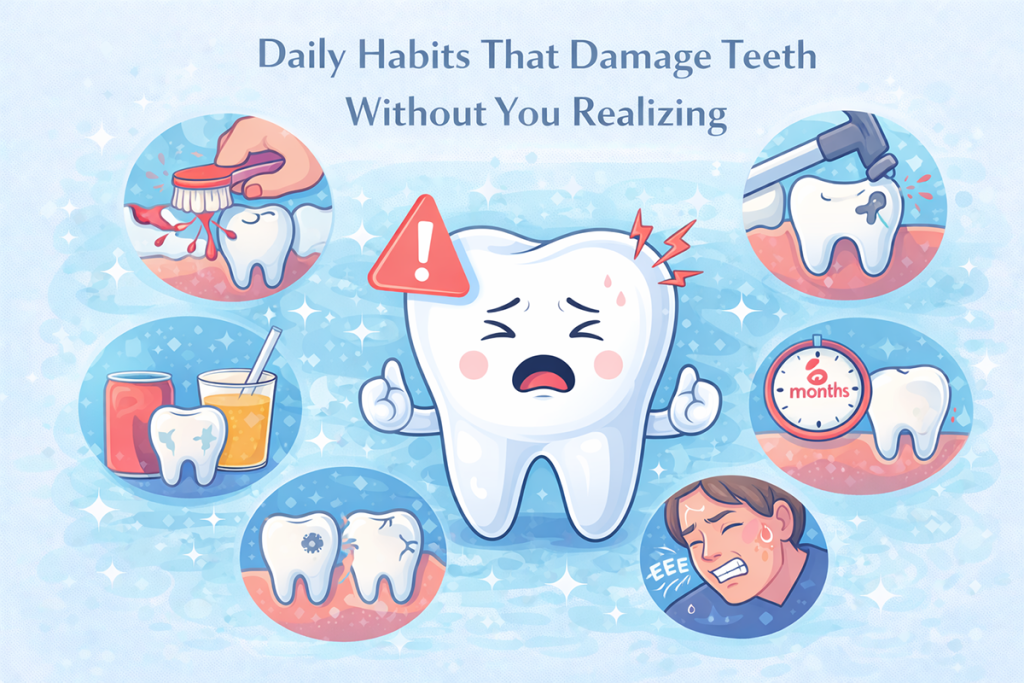
Teeth are strong, but they are not indestructible. Repeated exposure to acids, pressure, and bacteria gradually erodes their protective layers. Becoming aware of daily habits that damage teeth allows individuals to make small but powerful changes that protect long-term oral health.
Brushing too hard
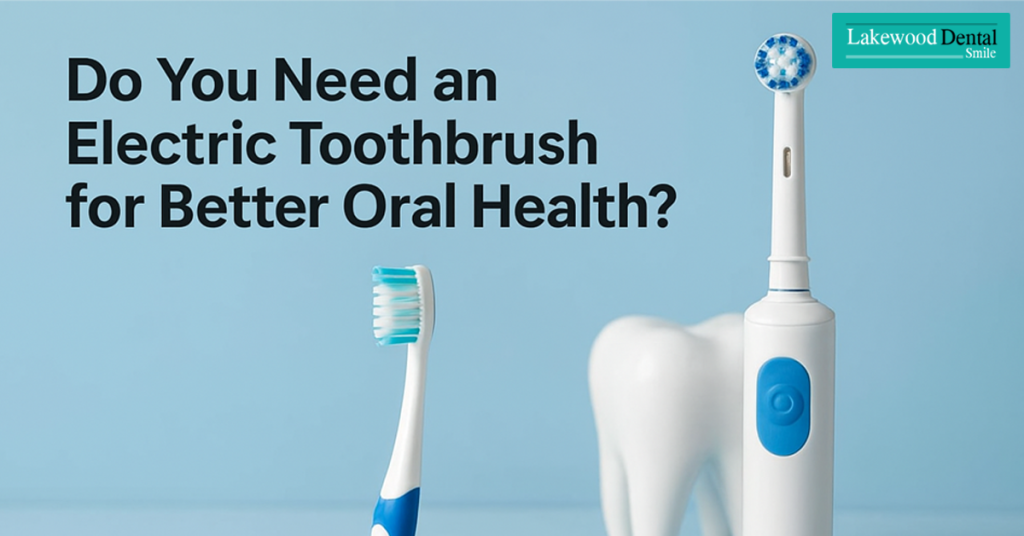
Brushing more forcefully does not clean teeth better. In fact, aggressive brushing wears down enamel and pushes gums away from the teeth, exposing sensitive root surfaces. Over time, this can lead to sensitivity and increased risk of decay.
Using a soft-bristled toothbrush and gentle circular motions is far more effective. Letting the bristles do the work protects both teeth and gums.
Frequent snacking on sugary foods
Constant snacking gives bacteria a steady supply of sugar. Each time sugar is consumed, acids are produced that attack enamel for several minutes. When snacking happens throughout the day, teeth do not get enough time to recover.
Reducing snack frequency and choosing tooth-friendly options like fruits, vegetables, or nuts helps limit acid exposure and supports enamel strength.
Sipping acidic drinks throughout the day
Soft drinks, flavored water, energy drinks, and even fruit juices contain acids that weaken enamel. Sipping these beverages slowly or frequently keeps teeth under continuous acid attack.
Drinking water between acidic beverages and using a straw can reduce direct contact with teeth. Limiting acidic drinks is one of the most important changes among daily habits that damage teeth.
Using teeth as tools
Opening bottles, tearing packaging, or biting non-food objects puts excessive pressure on teeth. Teeth are designed for chewing food—not for gripping or cutting hard materials.
Using teeth as tools increases the risk of cracks, chips, and fractures that may require restorative treatment.
Grinding or clenching teeth
Teeth grinding, often caused by stress or sleep disorders, places extreme pressure on enamel. Over time, grinding wears down tooth surfaces, causes jaw pain, and may lead to fractures.
If grinding is suspected, a dental professional may recommend a night guard to protect teeth and reduce strain on the jaw.
Skipping flossing
Brushing alone does not clean between teeth. Plaque and food particles trapped in these areas promote decay and gum inflammation.
Skipping flossing allows bacteria to thrive in hard-to-reach spaces, making it one of the most overlooked daily habits that damage teeth. Daily flossing supports healthier gums and reduces cavity risk.
Ignoring early sensitivity
Sensitivity to hot, cold, or sweet foods is often dismissed as minor discomfort. However, sensitivity can be an early warning sign of enamel wear, gum recession, or developing cavities.
Addressing sensitivity early prevents further damage and helps maintain tooth structure.
Delaying dental visits
Many people wait until pain appears before seeing a dentist. Unfortunately, dental problems often progress silently in the early stages.
Regular dental checkups help detect issues early, when treatment is simpler and more affordable. Clinics such as Lakewood Dental Smile emphasize preventive care to help patients avoid damage caused by unnoticed daily habits.
Why small changes make a big difference
Most daily habits that damage teeth do not cause immediate pain. Their effects accumulate slowly, making them easy to ignore. Simple adjustments—gentler brushing, better food choices, and consistent dental care—can significantly reduce long-term damage.
Awareness is the first step toward prevention. Understanding how everyday actions affect oral health empowers individuals to protect their smiles more effectively.
Dental health is shaped by daily choices. Habits repeated over months and years determine whether teeth remain strong or become vulnerable to damage. By identifying daily habits that damage teeth and replacing them with healthier alternatives, individuals can preserve enamel, protect gums, and maintain confident smiles for life.