Oral health and overall health are deeply connected, even though many people view dental care as separate from general healthcare. The mouth is not an isolated system; it is an entry point to the body and can reflect or influence what happens elsewhere. Problems that begin in the gums or teeth can affect organs, immunity, and long-term wellness if left untreated.
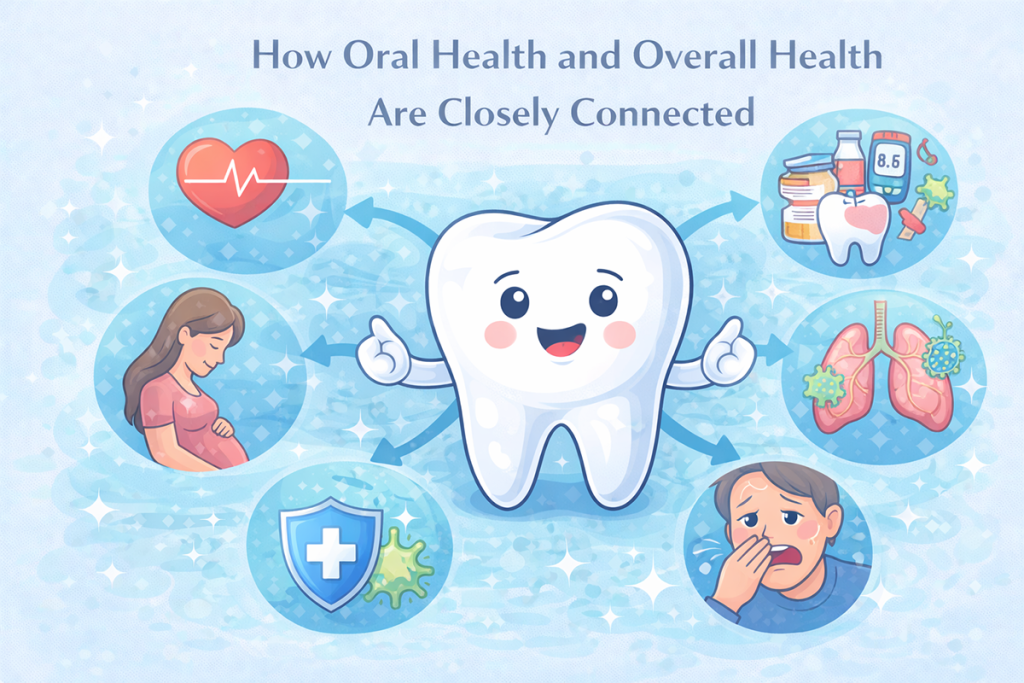
Bacteria naturally exist in the mouth, but poor oral hygiene allows harmful bacteria to multiply. When gums are inflamed or infected, bacteria can enter the bloodstream and trigger inflammation in other parts of the body. Understanding the link between oral health and overall health helps individuals appreciate why daily dental care and regular checkups are essential.
Gum disease and heart health
One of the most studied connections is between gum disease and heart conditions. Periodontal disease causes chronic inflammation, which may contribute to plaque buildup in blood vessels. Studies suggest that people with severe gum disease have a higher risk of heart attack and stroke.
Keeping gums healthy through proper brushing, flossing, and professional cleanings may help reduce inflammation that affects cardiovascular health.
Diabetes and oral health
Diabetes and oral health influence each other in a two-way relationship. People with diabetes are more prone to gum infections because high blood sugar weakens immune response. At the same time, gum disease can make blood sugar harder to control.
Managing oral hygiene supports better glucose regulation, highlighting the importance of oral health and overall health working together.
Respiratory infections
Bacteria from the mouth can be inhaled into the lungs, especially in older adults or individuals with compromised immunity. Poor oral hygiene has been linked to respiratory infections such as pneumonia.
Maintaining a clean mouth reduces harmful bacteria and lowers the risk of lung complications.
Pregnancy and oral health
Pregnancy and oral health
Hormonal changes during pregnancy increase the risk of gum inflammation. Untreated gum disease has been associated with premature birth and low birth weight.
Routine dental care and good oral hygiene during pregnancy contribute to better outcomes for both mother and baby, reinforcing the connection between oral health and overall health.
Digestive health
Chewing is the first step in digestion. Tooth pain, missing teeth, or gum disease can make chewing difficult, leading to poor nutrition and digestive problems.
Healthy teeth allow proper breakdown of food, supporting digestion and nutrient absorption.
Immune system impact
Chronic oral infections place constant stress on the immune system. This ongoing inflammation can weaken the body’s ability to fight other illnesses.
By controlling oral infections, the immune system can function more efficiently and respond better to other health challenges.
Oral cancer detection
Regular dental exams play a critical role in detecting early signs of oral cancer. Early diagnosis significantly improves treatment success.
Dental professionals are trained to identify abnormal changes in oral tissues, making routine visits an important preventive measure.
Mental well-being and confidence
Oral health affects self-esteem, speech, and social comfort. Pain, bad breath, or missing teeth can lead to anxiety and reduced quality of life.
A healthy smile contributes to confidence and emotional well-being, further linking oral health and overall health.
Why prevention matters
Most systemic complications linked to oral issues develop gradually. Preventive care, daily hygiene, and early intervention reduce the risk of serious health consequences.
Regular dental visits allow professionals to detect issues early and provide personalized guidance. Clinics such as Lakewood Dental Smile emphasize preventive dental care as part of comprehensive health maintenance.
The mouth is a window into the body’s health. Ignoring dental care can have consequences far beyond cavities or gum disease. By understanding the relationship between oral health and overall health, individuals can make informed choices that protect both their smiles and their bodies. Simple daily habits, combined with regular professional care, support long-term wellness from head to toe.