The connection between the mouth and the body is far deeper than many people realize. Oral health wellness is no longer viewed as an isolated aspect of care limited to teeth and gums. Instead, research continues to reveal strong links between dental health and overall physical well-being. Conditions that begin in the mouth can influence other systems in the body, while general health issues can also affect oral tissues. Understanding these relationships helps people appreciate why maintaining good oral habits plays a meaningful role in long-term wellness.
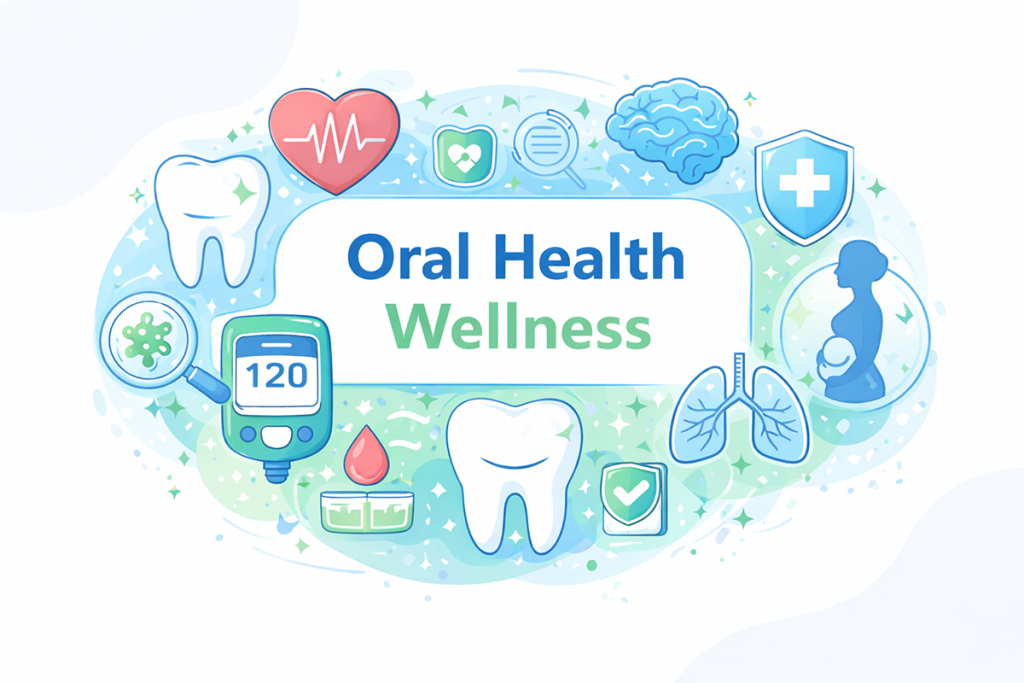
One of the most well-documented oral health wellness connections involves heart health. Gum disease is associated with inflammation, and chronic inflammation is a known risk factor for cardiovascular conditions. Harmful bacteria from infected gums can enter the bloodstream and contribute to plaque buildup in arteries. While oral care alone cannot prevent heart disease, healthy gums may help reduce inflammatory burden in the body. This highlights how consistent dental hygiene supports not only a healthy smile but also cardiovascular stability.
Diabetes is another condition closely tied to oral health wellness. People with diabetes are more prone to gum disease due to reduced resistance to infection. At the same time, severe gum inflammation can make blood sugar levels harder to control. This creates a two-way relationship where each condition can worsen the other. Managing gum health through regular dental care can support better glucose control and reduce complications. For individuals with diabetes, oral health becomes an essential part of comprehensive medical management.
The immune system is also influenced by oral health wellness. The mouth acts as a gateway to the body, and chronic infections in oral tissues can place constant stress on immune defenses. When the immune system is repeatedly activated by untreated gum disease or oral infections, it may become less efficient elsewhere. Maintaining a clean and healthy oral environment reduces the bacterial load the immune system must manage, allowing it to function more effectively in protecting overall health.
Respiratory health provides another example of the oral health wellness connection. Bacteria from the mouth can be inhaled into the lungs, particularly in older adults or individuals with compromised immunity. This may increase the risk of respiratory infections such as pneumonia. Good oral hygiene reduces harmful bacteria in the mouth, lowering the chance of these organisms reaching the respiratory system. Simple habits like regular brushing and professional cleanings can therefore contribute to healthier breathing.
Pregnancy outcomes have also been linked to oral health wellness. Hormonal changes during pregnancy can increase susceptibility to gum inflammation. Studies suggest that severe gum disease may be associated with premature birth or low birth weight. While research continues to explore these links, maintaining gum health during pregnancy is widely recommended. Routine dental care and proper oral hygiene support both maternal health and overall pregnancy wellness.
Mental well-being is another often overlooked aspect of oral health wellness. Chronic dental pain, untreated infections, or embarrassment about oral appearance can affect self-esteem and stress levels. Ongoing discomfort may interfere with sleep, nutrition, and social interactions. Addressing oral health concerns can therefore improve quality of life and emotional balance. Feeling comfortable with one’s oral health contributes positively to mental and social well-being.
Nutrition plays a central role in oral health wellness and overall health. Oral discomfort or missing teeth can limit food choices, leading to poor nutrition. Inadequate intake of essential nutrients can then affect energy levels, immunity, and organ function. Maintaining strong teeth and healthy gums supports proper chewing and digestion, which are fundamental to balanced nutrition and systemic health.
As awareness grows, oral health wellness is increasingly recognized as part of preventive healthcare. Regular dental visits allow early detection of issues that may signal broader health concerns. Inflammation, unusual lesions, or changes in oral tissues can sometimes reflect underlying medical conditions. Dentists and physicians working together help ensure that oral findings are considered within the larger context of patient health.
Modern healthcare emphasizes prevention, and oral health wellness fits naturally into this approach. Simple daily habits, combined with professional care, reduce the risk of oral disease and its potential systemic effects. Clinics such as Lakewood Dental Smile reflect this integrated perspective by encouraging patients to view oral care as an essential component of overall wellness rather than a separate routine.
Understanding the surprising medical links between oral health and the body empowers individuals to take a more proactive role in their health. By caring for the mouth, people support multiple systems that contribute to long-term vitality. Oral health wellness is not just about protecting teeth—it is about supporting the body as a connected whole.