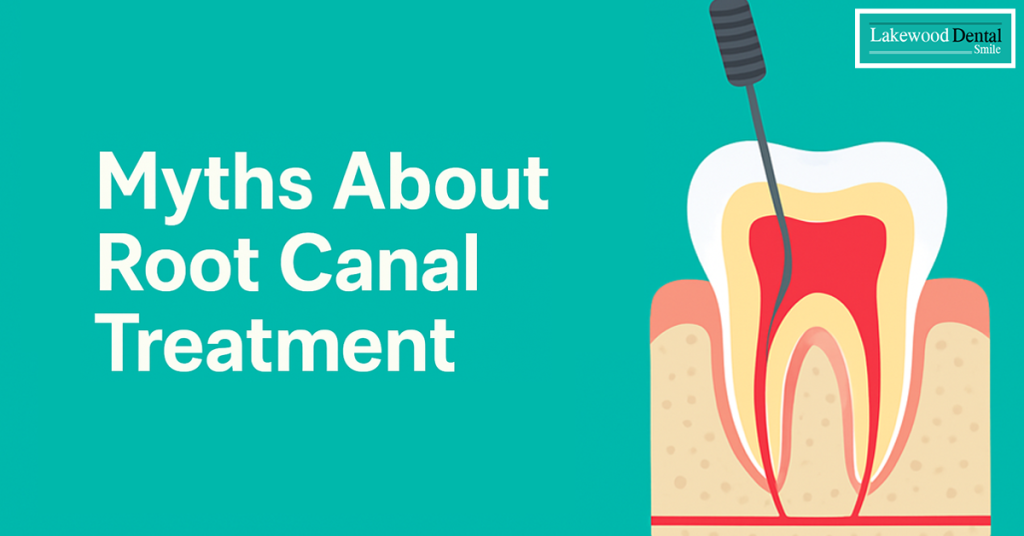
Root canal aftercare plays an essential role in ensuring your tooth heals properly and remains protected after treatment. A root canal removes infected tissue from inside the tooth and seals the root, allowing the natural structure to be preserved. Even though modern techniques make the procedure more comfortable than ever, healing depends on how you care for the tooth afterward.
Dentists usually complete the procedure in one to three appointments, depending on the condition of the tooth. During this period, the temporary filling and the underlying tooth require attentive care to prevent damage or reinfection. Understanding what to expect after treatment helps patients avoid complications and support long-term success. Good root canal aftercare is simple, practical, and based on protecting the treated tooth while surrounding tissues recover.
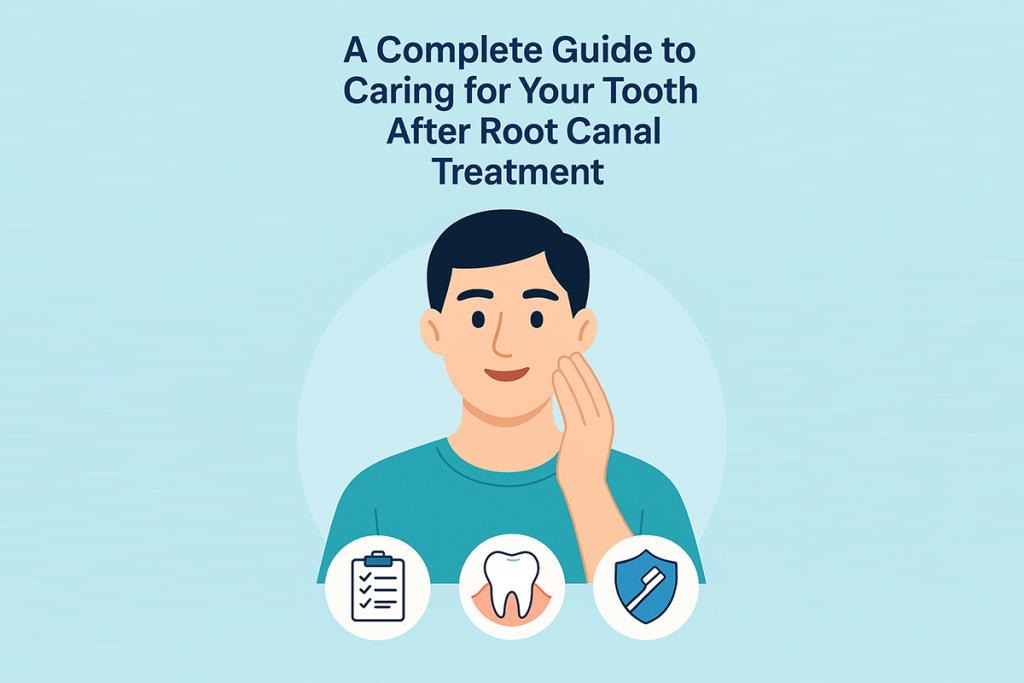
Why Aftercare Matters After a Root Canal
Although the infection inside the tooth is removed, the tooth itself becomes more fragile because internal tissues are no longer present to provide strength. The temporary filling placed until the final restoration is not built for chewing pressure. As a result, effective root canal aftercare focuses on preventing fractures and reducing irritation while healing takes place.
The Role of the Final Crown
A permanent crown is almost always recommended after a root canal. It reinforces the tooth, restores function, and prevents future breakage. Until the crown is placed, chewing on the treated side should be avoided to reduce stress on the temporary restoration.
5 Smart Steps For Safe Recovery
1. Protect the Tooth From Pressure
The structure of the tooth is weakened after the procedure, making it more vulnerable to chips or cracks. As part of root canal aftercare, avoiding chewing on the treated side is crucial until the crown is placed. Even moderately firm foods can damage the temporary filling and allow bacteria to enter the space. Taking this precaution reduces the risk of emergency visits and ensures the tooth remains stable during healing.
Foods to Avoid
- Hard nuts
- Ice
- Crispy snacks
- Hard candies
- Sticky sweets
These items can crack the tooth or dislodge the temporary filling.
2. Choose Gentle Oral Hygiene Techniques
Dental hygiene remains essential, but it must be performed carefully around the treated tooth. Brushing keeps the area clean, yet aggressive pressure may irritate sensitive tissues.
How to Brush and Floss Safely
- Use a soft-bristled toothbrush with light pressure.
- Brush normally in the rest of the mouth.
- When flossing around the treated tooth, glide gently without snapping the floss.
- Work slowly around the temporary filling, as forcing floss downward could loosen it.
These habits maintain cleanliness while respecting the delicate healing area.
3. Manage Discomfort With Proper Medication
Many patients feel little or no discomfort after a root canal, but mild soreness in the surrounding tissues is common. Over-the-counter NSAIDs such as ibuprofen, aspirin, or acetaminophen help relieve inflammation and ease tenderness.
What to Expect in the First Few Days
Discomfort typically decreases each day. Pain that worsens instead of improves may indicate irritation or a complication. Root canal aftercare includes monitoring your symptoms and contacting your dentist if anything feels unusual or persistent.
4. Avoid Hard Foods Until the Final Restoration
Temporary fillings are not designed to withstand chewing forces. Eating hard or crispy foods can damage them, exposing the tooth to bacteria or causing fractures that require additional treatment.
Recommended Foods During Recovery
- Soft rice or pasta
- Soups
- Smooth yogurt
- Soft fruits
- Scrambled eggs
These foods help maintain nutrition without stressing the tooth. Once the crown is placed, most patients can return to a normal diet.
5. Attend Your Follow-Up Appointment
Root canal aftercare includes keeping scheduled follow-up visits to ensure the tooth is healing as expected. The dentist will check the temporary filling, evaluate the surrounding tissues, and prepare the tooth for its final crown. Missing this appointment can delay the completion of treatment and increase the risk of reinfection or fracture.
Why Follow-Up Matters
Only after the crown is placed does the tooth regain full strength. Completing all stages of treatment is essential for long-term success.
Understanding Post-Treatment Sensations
Some mild tenderness or sensitivity can occur, especially if the surrounding tissues were inflamed before treatment. This sensation typically fades within a few days. Consistent, careful root canal aftercare reduces irritation and helps the area settle more quickly.
When to Contact Your Dentist
- Pain increases instead of improves
- Swelling develops
- The temporary filling feels loose
- You experience difficulty biting down
Prompt evaluation keeps small issues from becoming larger problems.
Final Thoughts
Successful healing relies on thoughtful, consistent root canal aftercare. By protecting the tooth, avoiding hard foods, practicing gentle hygiene, and using pain relievers as recommended, patients support the stability of the treated area. Recovery tends to be smooth when these steps are followed. Completing the follow-up appointment ensures the final crown can be placed, restoring the tooth’s strength and long-term function. If you are receiving care in Michigan, your dentist at Lakewood Dental Smile can evaluate your healing progress and help you maintain the best outcome after your root canal therapy.