Dental care has long depended on in-person appointments, clinical examinations, and face-to-face consultations. However, changes in technology and patient expectations are reshaping how oral healthcare is delivered. Teledentistry has emerged as a practical extension of modern dental services, allowing patients and dental professionals to connect remotely using digital tools. Rather than replacing traditional care, this approach supports access, continuity, and early intervention.
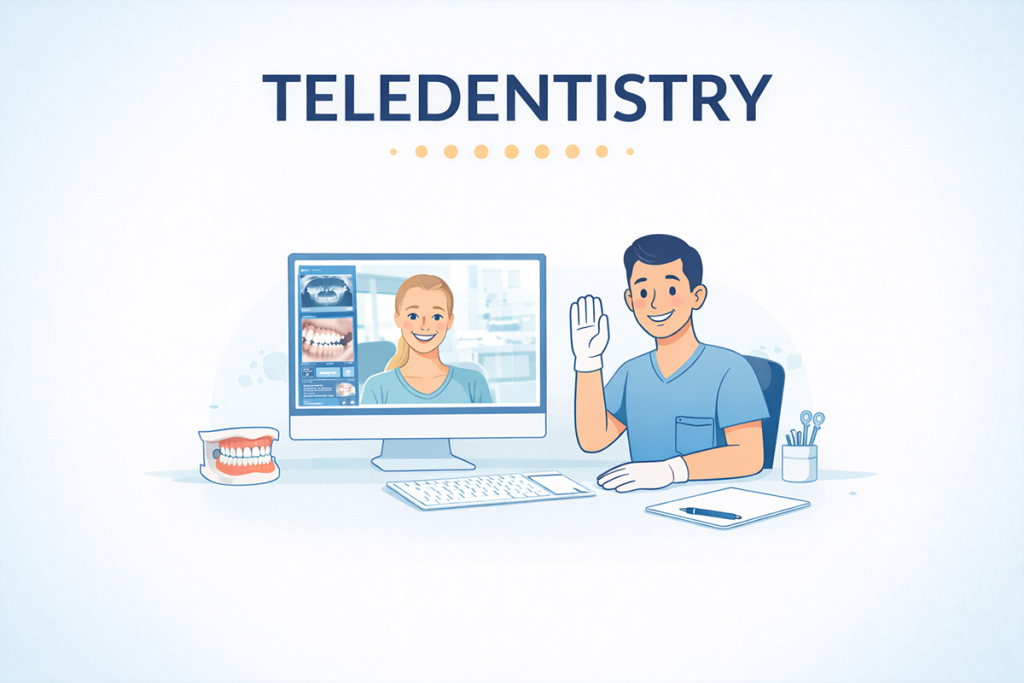
As healthcare becomes more patient-centered and digitally connected, remote dental consultations are gaining acceptance across age groups. Virtual interactions now play a growing role in education, preventive guidance, and follow-up care. Understanding how teledentistry works and where it fits within everyday oral health management helps patients make informed decisions about their care.
1. Improving Access to Dental Professionals
One of the most important benefits of teledentistry is improved access to professional guidance. Many individuals face barriers such as long travel distances, limited clinic availability, mobility challenges, or demanding schedules. Remote consultations allow patients to discuss concerns and receive guidance without immediate physical visits.
This increased accessibility encourages earlier communication when symptoms first appear. Early assessment reduces the risk of minor issues progressing into more serious oral health problems, supporting better long-term outcomes.
2. Supporting Preventive Oral Care
Preventive care is essential for maintaining healthy teeth and gums, yet it is often postponed until discomfort occurs. Through teledentistry, patients can receive preventive advice, hygiene guidance, and risk assessments from dental professionals before problems worsen.
Virtual check-ins help reinforce daily oral care routines and promote awareness of early warning signs. This proactive approach empowers individuals to maintain healthier habits while staying connected to professional oversight.
3. Convenience for Modern Lifestyles
Busy lifestyles make scheduling routine dental visits challenging for many people. Teledentistry offers flexibility by allowing consultations from home, work, or other comfortable environments. This convenience reduces time away from daily responsibilities and eliminates unnecessary travel.
For follow-up discussions, treatment planning, or non-urgent concerns, virtual visits provide timely support. Patients can seek professional input without the logistical challenges of repeated clinic appointments.
4. Enhancing Patient Education
Clear communication is a cornerstone of effective dental care. Teledentistry allows dental professionals to share visuals, explain conditions, and discuss treatment options in an accessible way. Digital platforms make it easier to educate patients about oral health status and preventive strategies.
Improved understanding often leads to better adherence to recommendations. When patients feel informed rather than rushed, they are more likely to follow through with preventive measures and long-term care plans.
5. Reducing Anxiety Around Dental Visits
Dental anxiety prevents many individuals from seeking timely care. Teledentistry provides a lower-pressure environment where patients can ask questions and discuss concerns without the stress of a clinical setting.
Building familiarity through virtual interactions helps establish trust. This gradual engagement can make future in-person visits feel less intimidating, especially for individuals who have avoided dental care due to fear or uncertainty.
6. Streamlining Follow-Up and Monitoring
Post-treatment follow-up is critical for monitoring healing and identifying complications early. With teledentistry, patients can share updates, images, or symptoms remotely, allowing dental professionals to assess recovery progress efficiently.
This streamlined communication reduces unnecessary visits while ensuring patients receive timely guidance. Remote monitoring improves continuity of care and supports safer recovery after procedures.
7. Integrating Digital Care Into Long-Term Planning
As digital health tools continue to evolve, teledentistry is becoming part of long-term oral health planning. Ongoing virtual communication helps track changes over time and adjust care strategies when needed.
Rather than existing separately, remote dental care complements in-clinic treatment. This blended approach supports personalized care that adapts to changing patient needs while maintaining professional oversight.
Looking Ahead at Remote Dental Care
The future of oral healthcare will likely balance hands-on treatment with digital support. Teledentistry is expected to continue expanding alongside advances in communication technology and patient education tools.
As awareness grows, more individuals may incorporate virtual consultations into routine oral health management. By emphasizing accessibility, education, and prevention, this model supports a more flexible and patient-focused dental experience without compromising care quality.