Ways to remove plaque are essential to maintaining good oral health and preventing common dental problems. Plaque is a sticky, colorless film of bacteria that constantly forms on teeth. When plaque is not removed regularly, it hardens into tartar, also known as calculus, which can only be removed through professional dental cleaning. Over time, plaque buildup increases the risk of cavities, gum disease, and bad breath.
Plaque forms when bacteria in the mouth feed on food particles, especially sugars and starches. These bacteria release acids that weaken enamel and irritate the gums. Understanding effective ways to remove plaque helps protect teeth, preserve gum health, and support overall oral hygiene.
Why plaque removal is important
Plaque buildup is more than a cosmetic concern. When plaque remains on teeth, it creates an environment that allows harmful bacteria to thrive. This can lead to tooth decay, gingivitis, and eventually periodontal disease if left untreated.
Regular plaque removal disrupts bacterial growth and prevents plaque from hardening into tartar. Once tartar forms, brushing alone is no longer effective. This makes daily plaque control one of the most important preventive dental practices.
Brushing correctly with the right technique
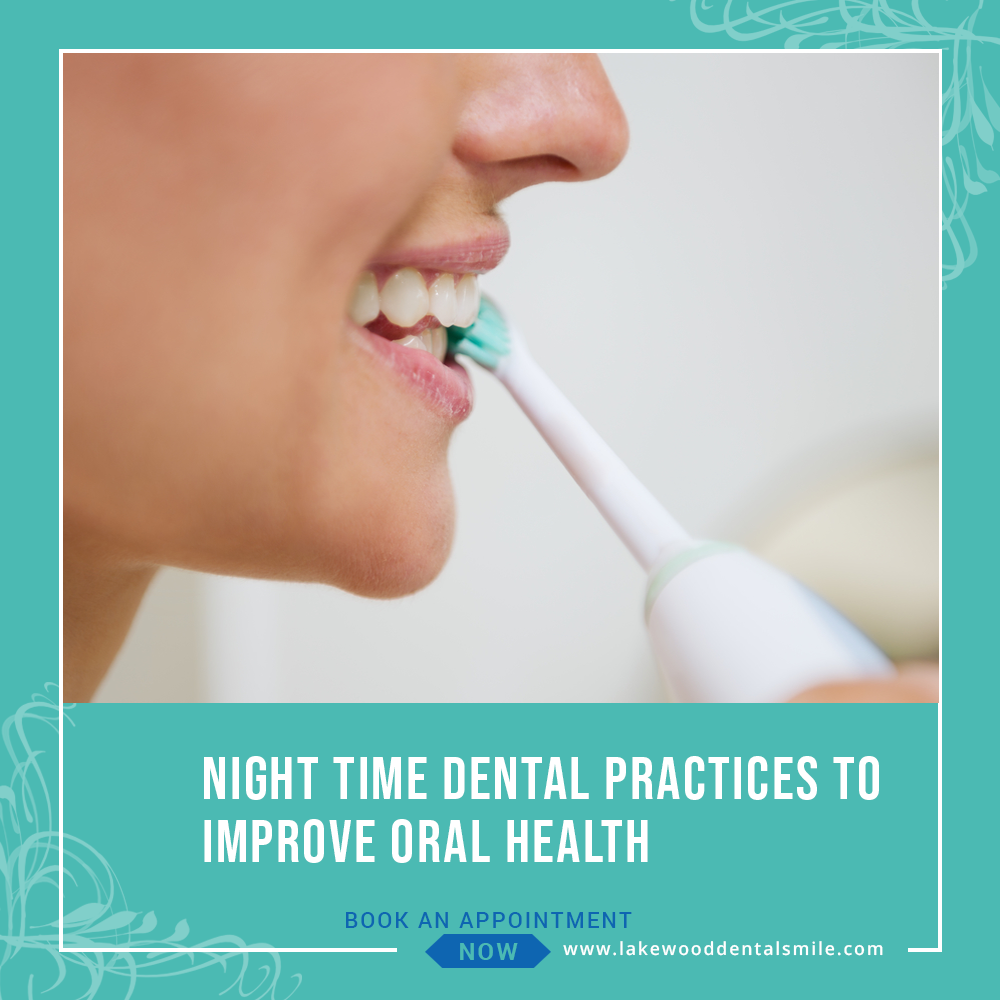
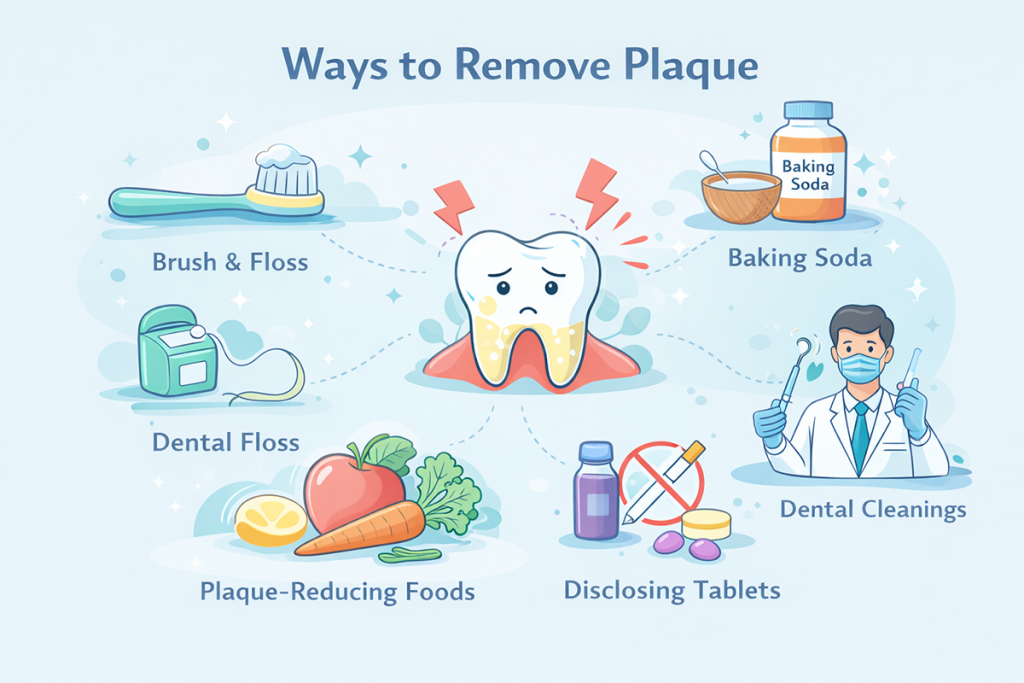
One of the most effective ways to remove plaque is proper brushing. Using a soft-bristled toothbrush and fluoride toothpaste helps clean tooth surfaces without damaging enamel or gums. Brushing should be done using gentle, vertical or circular motions, especially near the gumline where plaque often accumulates.
Brushing twice a day ensures plaque does not have time to harden. Paying attention to hard-to-reach areas, such as the back teeth and along the gum margins, improves plaque control significantly.
Using baking soda carefully
Baking soda is commonly used as a mild abrasive that helps loosen plaque. Brushing occasionally with a small amount of baking soda may help polish tooth surfaces and neutralize acids in the mouth.
Among traditional ways to remove plaque, baking soda should be used cautiously. Excessive or aggressive use may wear down enamel over time, so it should never replace regular toothpaste or daily brushing routines.
Flossing to clean between teeth
Flossing plays a crucial role in plaque removal because toothbrush bristles cannot reach between teeth. Food particles and bacteria often become trapped in these spaces, allowing plaque to form unnoticed.
Daily flossing removes plaque from areas that brushing misses, reducing the risk of cavities and gum inflammation. This habit significantly enhances the effectiveness of other ways to remove plaque.
Eating plaque-reducing foods
Certain foods help naturally reduce plaque buildup. Crunchy fruits and vegetables such as apples, carrots, and celery stimulate saliva production, which helps wash away food particles and bacteria.
Spicy foods may also encourage saliva flow, which cleanses the mouth naturally. Including these foods as part of a balanced diet supports multiple ways to remove plaque through natural oral cleansing.
Identifying plaque with disclosing methods
Some people use food-grade coloring or plaque disclosing tablets to identify areas where plaque remains after brushing. These methods stain plaque temporarily, making it visible on teeth.
This technique helps improve brushing habits by showing areas that need extra attention. As one of the practical ways to remove plaque, it encourages better daily oral hygiene rather than serving as a treatment itself.
Avoiding habits that increase plaque
Smoking and tobacco use significantly increase plaque and tartar formation. Tobacco products leave residues that allow plaque to stick more easily to tooth surfaces.
Reducing sugar intake also plays a role in controlling plaque buildup. Since bacteria feed on sugar, limiting sugary foods and drinks supports long-term plaque prevention.
Professional dental cleaning
Even with excellent home care, plaque can still accumulate over time. Professional dental cleanings remove hardened tartar that cannot be eliminated through brushing or flossing alone.
Among all ways to remove plaque, professional cleaning is the most thorough. Regular dental visits help maintain oral health and prevent plaque-related complications. Clinics such as Lakewood Dental Smile emphasize preventive care and routine cleanings to support healthy teeth and gums.
Plaque control requires consistency rather than occasional effort. Combining daily brushing, flossing, mindful eating habits, and regular dental checkups offers the most reliable protection against plaque buildup. Learning effective ways to remove plaque empowers individuals to take control of their oral health and prevent long-term dental problems.