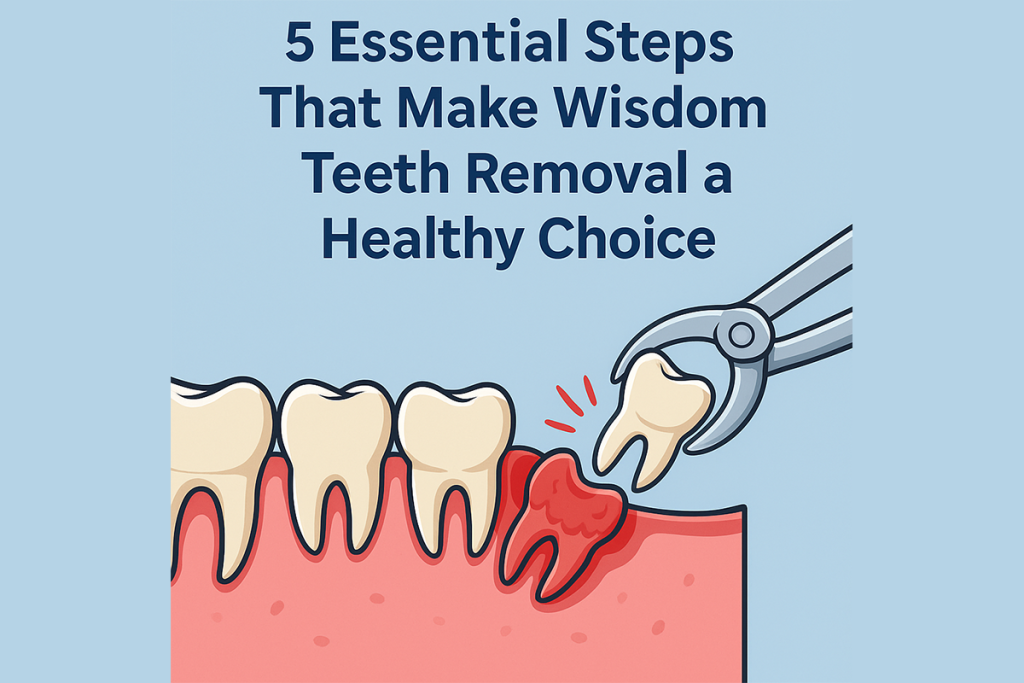
Wisdom teeth removal is a crucial step in maintaining long-term oral health, especially because your mouth continues to change throughout adulthood. These final molars usually emerge between ages 17 and 30, and while some people experience smooth eruption, many face discomfort, swelling, or infection. Understanding why these issues occur — and recognizing early warning signs — helps you make confident decisions about timely wisdom teeth removal. With proper evaluation, treatment becomes easier and prevents more complicated concerns later in life. In many cases, early awareness also helps reduce anxiety because patients know what symptoms to watch for and when to seek help. A clearer understanding of how wisdom teeth behave provides reassurance and allows you to make informed decisions before problems escalate.
What Are Wisdom Teeth and Why Do Problems Happen?
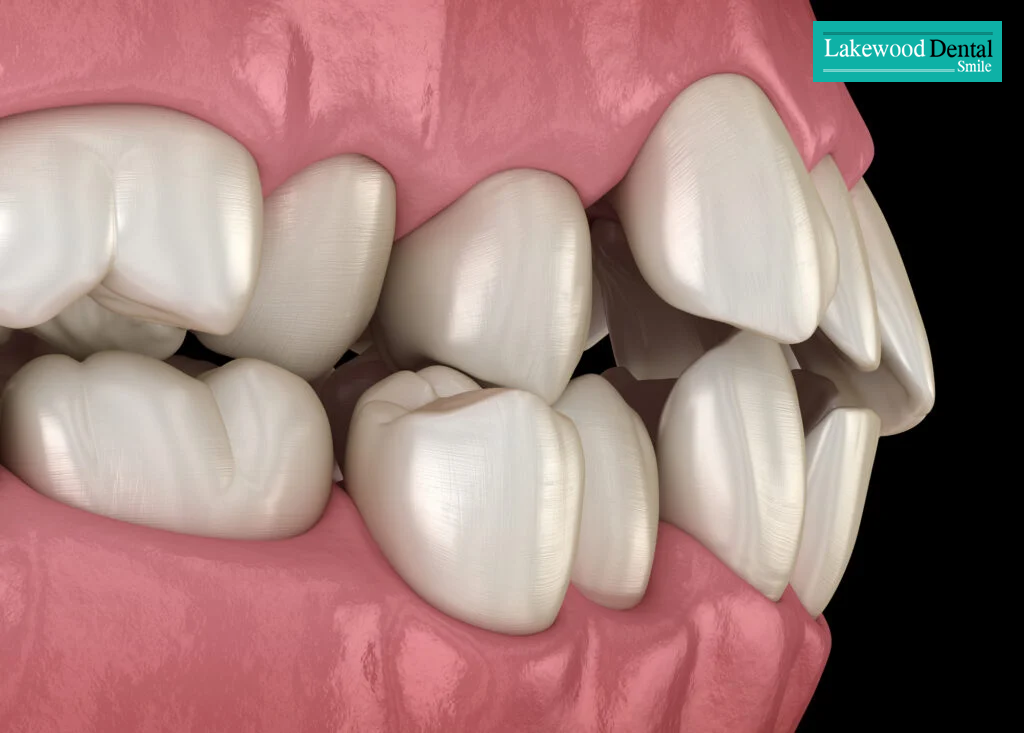
Wisdom teeth are the last set of molars located at the back of the mouth. Historically, they helped humans chew tougher foods, but modern jaw sizes are often too small to accommodate them. When these teeth attempt to erupt without enough space, several complications can develop:
Common Causes of Wisdom Tooth Issues
- Insufficient jaw space, restricting eruption
- Teeth growing at an angle, pressing against others
- Partial eruption, creating gum flaps that trap bacteria
- Impaction, where the tooth remains stuck within bone or tissue
These conditions increase the likelihood of irritation, swelling, and infection — all strong reasons why wisdom teeth removal becomes necessary.
Key Signs That Indicate You May Need Wisdom Teeth Removal
Recognizing symptoms early allows you to prevent long-term complications. Below are the most common indicators:
1. Jaw Pain and Discomfort
When wisdom teeth push against surrounding structures, pressure builds along the jawline. This can cause sharp or throbbing pain, difficulty chewing, and tightness during mouth movement. The discomfort may radiate toward the ears or neck due to nerve involvement.
2. Red or Swollen Gums
Gum inflammation around the erupting tooth is one of the earliest warning signs. You may notice tenderness, redness, or bleeding while brushing. The gum tissue becomes a natural trap for food particles, increasing the risk of repeated infections.
3. Tight or Crowded Feeling in the Mouth
As the molars push through limited space, they create tension in the jaw and surrounding teeth. This crowding can make speaking or eating uncomfortable and may gradually shift nearby teeth out of alignment.
4. Facial Swelling
Impacted wisdom teeth can cause inflammation that spreads to the cheeks or jawline. Facial swelling changes appearance and indicates deeper irritation or early infection.
5. Persistent Bad Breath
When partially erupted teeth create pockets that trap debris, bacteria accumulate, leading to chronic bad breath or an unpleasant taste in the mouth. This problem rarely resolves with normal hygiene alone.
Why Wisdom Teeth Removal Becomes the Healthier Option
Leaving problematic wisdom teeth untreated can lead to escalating issues such as gum disease, cysts, bone loss, or recurring infection. Removal helps:
- Relieve ongoing discomfort
- Prevent bacterial buildup
- Protect surrounding teeth
- Avoid structural misalignment
- Reduce long-term jaw complications
Even patients without symptoms may benefit from evaluation because early treatment prevents future dental challenges.
How Dentists Evaluate and Treat Wisdom Teeth Problems
A proper assessment typically involves:
Dentist Evaluation Steps
- Clinical examination of gums and jaw
- Digital X-rays to assess root position and impaction
- Risk analysis for crowding or infection
- Recommendation for timely wisdom teeth removal
This detailed approach ensures the safest and most effective outcome.
Professional Support for Your Wisdom Teeth Concerns
Patients in Dearborn often rely on Lakewood Dental Smile, where clinicians provide thorough evaluations and personalized guidance for managing wisdom teeth removal. Their care-focused approach helps patients understand their treatment options clearly and ensures a comfortable experience from assessment through recovery.